Digilah

Categories
Mar Tech

Best Practices Guide: Navigating Omnichannel Retail Successfully in Asia

Written by Marlene Vicaire on Digilah (Tech Thought Leadership).

Omnichannel retailing has evolved into a pivotal strategy for success in today’s dynamic consumer landscape, particularly in Asia. Retailers in this region are increasingly adopting this approach to provide seamless shopping experiences across diverse touchpoints. This comprehensive guide compiles insights gleaned from industry leaders and experts, supported by recent research findings:

Understanding Omnichannel Retailing

Defining Customer-Centricity: In Asia, 78% of consumers expect companies to personalize their shopping experience. Omnichannel strategies cater to this demand, aiming to meet the unique needs of this interconnected consumer base.

Bridging Online and Offline Expertise: Statistics in Asia show that 63% of consumers prefer to use both online and offline channels while shopping. Understanding market dynamics, especially dominant players like Alibaba and marketplaces in APAC, becomes crucial. Models like direct-to-consumer (D2C) channels, such as Razer’s, facilitate direct customer data acquisition and address evolving market challenges.

Elevating Customer Experience

Seamless Integration: Research in Asia indicates that 82% of consumers prioritize a seamless shopping experience. Strategies like pop-up stores effectively merge digital and offline experiences, embodying the successful “Online to Offline” strategy.

Enhancing Mobile Channels: Asia boasts a significant mobile commerce presence, with mobile transactions contributing to 60% of e-commerce sales. Advanced user experience analysis tools like Contentsquare are instrumental in comprehending and optimizing consumer behavior across mobile apps and websites.

Embracing Sustainability and Ethics

Integrating Eco-Conscious Practices: Reports in Asia suggest that 67% of consumers are willing to pay more for sustainable products. Yves Rocher’s shift to eco-friendly alternatives showcases the potential environmental and cost efficiencies in sustainable practices within omnichannel strategies, resonating well with Asian consumers.

Leveraging Technology for Personalization

Data-Driven Personalization: Leveraging customer data, market insights, and collaborations with tech giants like Google and Meta enable retailers in Asia to tailor offerings based on regional preferences and behaviors, aligning with the diverse and unique demands of Asian markets.

Maximizing Social Media Impact

Direct Customer Interaction: In Asia, social media plays a significant role in shaping consumer behavior, with 56% of shoppers using social platforms for product research. Live streaming and social commerce serve as effective tools for direct customer engagement, enabling interaction and feedback collection in this region.

Monitoring Performance and Strategy Adaptation

KPIs and Performance Analysis: Defined KPIs and rigorous analysis of campaigns are critical in Asia, where companies with well-defined KPIs are 65% more likely to meet their objectives. This region’s market dynamics necessitate constant monitoring for ongoing performance enhancement.

Crafting Global Omnichannel Strategies

Understanding Local Markets: Asia’s diverse consumer landscape requires adapting to local consumer profiles, purchasing behaviors, and cultural nuances. Localization of content and strategic partnerships are instrumental in embedding brands in the intricate and varied consumer habits across the region.

Addressing Challenges in Specific Markets

Navigating APAC Markets: With unique challenges like marketplace dominance, educating partners, fostering relationships, and aligning operational tools become vital for successful navigation in these diverse markets in Asia.

Conclusion

In essence, adopting omnichannel strategies presents both challenges and opportunities for retailers in Asia. Success hinges on adapting to the diverse needs of Asian consumers, leveraging technology effectively, prioritizing customer experience and sustainability, and overcoming region-specific hurdles in this ever-evolving retail landscape.

Most searched questions

What is omnichannel retailing?

How is omnichannel retailing customer centric?

Future of omnichannel retailing?

Most searched queries

Omnichannel

Sustainability

Hello readers! Hope you liked what you read today. Click the like button at the bottom of this page and share insights with your colleagues and friends!

For more such amazing thought leadership articles on technology follow Digilah people.

Categories
Food Tech

Cold Chain Technology: Optimal Product Quality and Safety

Written by Mark Alzawahra on Digilah (Tech Thought Leadership).

I started-up Catch of Norway Seafood to serve the Indian market with premium Norwegian salmon and seafood products from Norway. Our company is based in Bangalore.

We market and distribute fresh and frozen seafood across India. Our company is involved in procurement, logistics, cold chain technology, branding and marketing. 

We have a presence online and offline; with our online presence being very important in building a brand and growing the business financially.

We started Catch of Norway Seafood as b2b wholesale business to gain market share with volume. We did our primary research on the ground and our due diligence before fully investing in this venture.

Once we established the company, we did some old fashioned word-of-mouth marketing which was useful.

This will always be useful. Crucially, we also began a digital marketing campaign on Facebook and LinkedIn without sponsoring or paying for ads. 

This is the power of the digital world. Decisions makers, executive chefs, procurement directors, managing directors, and CEOs were able to view what we were offering through their own personal and professional interests.

We could easily engage with our target audiences, users, and end-users in a meaningful way and learn more about the Indian market for our products.

Once we established our brand as a leader in premium in Norwegian salmon and imported seafood in India, we decided to enter the direct-to-consumer market in Bangalore, and later in other major cities in India.

Platforms such as Shopify have enabled us to reach d2c customers in Bangalore and other cities in India. 

Our partnerships with fully online digital logistics service providers enable us to easily deliver to these customers without compromising on quality and time.

Customized online dashboards that allow us to take a 360 degree view of all financial and operational aspects of our company, that can also create and store crucial documentation needed to source, purchase, and deliver goods and services are crucial to maintaining cost control and savings we can pass on to our customers.

We are leveraging technology to keep operational costs done without compromising our customer service and product quality.

Being able to operate in the digital and technology age, has made it easier for me to manage and operate our various businesses across multiple geographies. 

I can access our company P&Ls via real-time online dashboard, issue invoices with a few taps of the phone, our team can manage our wholesale and retail distribution pan-India with logistics platforms such as Porter and Pidge.

We can track our deliveries through our own tracking systems or through the third-party partners that provide this service.

In addition to logistics technology, cold chain management technology helps us with quality control throughout our entire supply chain.

When dealing with highly perishable food products such as fresh seafood, it is crucial that we are able to know that the correct temperature ranges are maintained from production to packing to export until it reaches our final destination.

This is done by utilizing USB temperature readers placed in boxes that record the temperature in the boxes. This data can be accessed by plugging in the USB to a laptop and it automatically provides the driver and screen of the temperature log.

As we have gone on this journey in building a premium Norwegian salmon & seafood company in India, we have seen great improvements and innovations in technology that can help us continue to grow our business and increase brand awareness.

Now that we are serving more than 15 major cities in India through a variety of sales channels, we have learned about better technological solutions that can be customized to serve our needs and goals. 

This allows us to go out and actively pursue our ambitions confidently with tailor-made solutions we know are available.

Most searched questions

What is Catch of Norway?

Salmon

How did Catch of Norway develop in India?

Most searched queries

Catch of Norway

B2C

Hello readers! Hope you liked what you read today. Click the like button at the bottom of this page and share insights with your colleagues and friends!

For more such amazing thought leadership articles on technology follow Digilah people.

Categories
Ad Tech

Tackling the attention deficit, one impression at a time

Written by Hazel Broadley on Digilah (Tech Thought Leadership).

As consumers continue to be bombarded with up to 10,000 ads per day, the fight to gain real human attention has never been so rife. 

But as this figure rises – while attention spans remain the same – the chance of an ad being seen inevitably diminishes.

This results in what we call the attention deficit – something the ad industry is striving to overcome.  

But how do we begin to measure true attention, let alone improve it?

Combining viewability with attention

For years, the focus has been on standardizing metrics around how much of an ad is visible on screen and for how long, i.e., viewability. And this is still important, because after all, you can’t engage with an ad if you can’t see it.

But with the realization that ‘viewable’ does not equal ‘viewed’ (almost 35% of all programmatic display ads are ignored), it’s become clear that viewability metrics alone are not enough.

They are more like ‘hygiene’ metrics rather than predictors of quality. And that’s why we need to bolster this campaign insight with attention data. 

Steps to leveraging attention

As Rob Hall, CEO at Playground xyz explains, there are generally four steps to leveraging attention. First, you need solid research – from your own campaign data but also learnings from other brands who have tested the impact of different ad formats, content types, devices, channels or targeting strategies on attention metrics.

Second, once you’ve gathered this, you can use it to enhance your channel planning, by creating and scheduling campaigns that are predicted to deliver the best performance. 

Third comes the task of actually measuring attention, by tracking key attention metrics such as attention time, hover rate and touch rate on a mobile device, plus more traditional performance metrics such as CTR, bounce rate and conversion rate.

And finally, to have the best chance of engaging your audience in the long term, you need to be able to optimize in real time according to what’s working and what’s not. 

This kind of dynamic creative optimization (DCO), focused on attention, will be a key driver of campaign performance over the coming years. 

Using data across TV, desktop, tablet and mobile, we can measure a whole range of attention metrics. But perhaps the most prevalent is Attention Time.

Attention Time – the new metric in town

Attention Time is important in any campaign because it measures how long a user is physically eyeballing the ad.

Once you’ve measured this, you can then look at a host of other user activities, such as clicks, cursor position, touch rate, scroll rate and depth, audio on/off, volume etc. 

Measuring attention with eye-tracking data

As Lumen Research’s MD Mike Follett suggests, eye tracking data, used at scale across different channels, shows that “when users do look at an ad, it tends to perform really well”.

There are a number of attention technology partners on the market including Lumen, Playground xyz, Amplified Intelligence and Adelaide, that can help marketers determine true attention through two main types of eye-tracking measurement: proxy-based and gaze-based. 

When testing creative or context, gaze-based (or eye-gaze) metrics are generally thought to be a more accurate method than proxy-based metrics because they demonstrate that a user has actually paid attention to an ad. 

This data comes from vast opt-in panels of consumers allowing eye-tracking cameras to follow the path of their eyes across the screen as they consume the open web. 

By combining this with the other user activities above, you can get more granular with each impression, and optimise the ad creative or format more effectively.

Now is the time to tackle attention

When looking for an attention partner, be sure to ask them how they define attention (e.g. do they include all user actions?), what kind of eye-tracking they use (gaze-based or proxy-based data, or (preferably) both?), and how long they will apply optimization to ensure the most accurate measurement.

As the range of attention metrics grows, so too does the need for industry standardization of these metrics. 

But for now, there’s no time to waste in experimenting and A/B testing with different creatives and formats.

This way, you can get ahead of the curve before attention-first campaign strategies become mainstream and make every impression count. 

To read more from Hazel and her team, head to Lexical Llama

 Most searched questions

What is meant by attention deficit in advertising?

How do you tackle the attention deficit problem?

Most searched queries

Viewability

Attention deficit

Engagement

Hello readers! Hope you liked what you read today. Click the like button at the bottom of this page and share insights with your colleagues and friends!

For more such amazing thought leadership articles on technology follow Digilah people.

Categories
Decision Making Tech

Role of Artificial Intelligence in Cloud Computing

Written by Navpreet Kaur on Digilah (Tech Thought Leadership).

AI and Cloud Computing are two revolutionary fields in tech which are evolving human life with greater impact.

The future belongs to Cloud and AI.

Cloud is offering scalability of services across masses without relying much on the availability of hardware.

It offers you agility, scalability, data management while AI offers intelligent models which can perform various tasks in lesser time. 

Thus increasing the efficiency and productivity of the applications.

There are multiple clouds available such as AWS, Azure, Google Cloud, IBM Cloud etc. 

Cloud services help to reduce on-premises hardware load by reducing computation costs and hardware costs.

While AI can be used to do repetitive tasks. Solve those problems quickly therefore increasing productivity.

It also reduces the chance of any human error since everything is automated. Using AI based models, various real time dashboards can be created to check and analyze the applications. 

Therefore, this can increase the efficiency of the system.

AI observability can be used to strengthen security in cloud computing by identifying potential threats and vulnerabilities more accurately and quickly. 

With the help of machine learning and pattern recognition, AI-driven security tools can analyze massive amounts of data. It can detect suspicious activities, thereby preventing cyber-attacks.

This AI-cloud relation not only creates a new way of thinking about other existing technologies and methodologies but also brings a new degree of accessibility to AI technology.

Big tech giants are investing tremendous amounts in AI and Cloud based technologies in their products and services.

This enables their businesses to enhance:

– decision-making

– streamline processes

Also provide superior customer experiences, leading to more innovative solutions and increased scalability for the business.

In conclusion, AI and Cloud technologies are shaping the new world in a better way. 

As AI adoption continues to grow across industries, the tech giants’ ability to capitalize on AI-driven innovations and productize them, will play a crucial role in their future success.

There needs to be continued leadership in the cloud computing space.

Most searched questions

What is the role of AI in cloud computing?

What is the advantage of using cloud?

Most searched queries

Artificial Intelligence

Cloud

Hello readers! Hope you liked what you read today. Click the like button at the bottom of this page and share insights with your colleagues and friends!

For more such amazing thought leadership articles on technology follow Digilah people.

Categories
Security Tech

HUMANS IN TECH

Written by Diya Garg on Digilah (Tech Thought Leadership).

I recently watched the Netflix web series, “Trial by Fire”. The series is based on the 1997 Uphaar Cinema tragedy in New Delhi.

A fire broke out from a faulty transformer during the opening day screening of “Border”, a much-awaited Bollywood film. The perfect storm of a packed house, non-functioning fire equipment and absolute negligence of the theatre owners, resulted in gruesome death and destruction.

59 people died due to asphyxiation and more than 100 were injured in the ensuing stampede. While, as a parent, my heart went out to the victims and protagonists, here I seek to present my thoughts on the fire safety industry in India.

The protagonists’ fury is rightly directed at the developer, given that they owned the premises. Hence they were fully accountable for its safety and upkeep. 

However, they are shockingly not alone in this crime.

I believe there are two imperatives to a well-functioning security system, be it fire detection and suppression, public address, access control or CCTV.

The first is a fundamentally good product, backed by solid technology and manufactured to high performance specifications. 

Most buyers are well-aware of this and do not cut corners here. Top global brands viz. Edwards from United Technologies, Notifier from Honeywell and Bosch from Bosch Security Systems have an established track record. They are within +/- 10% in performance for the same specs.

These latest generation alarm systems are fully intelligent, addressable and networkable, i.e., they talk to each other and process multiple signals in milliseconds.

In an ideal end-to-end networked complex, a fire alarm detector would evaluate the severity of the environment. Set off an alarm in the control panel, activate the hooters, light up specific escape routes while shutting off elevators and simultaneously gun the hoses, sprinklers, and extinguishers into action all within 5 minutes.

CCTV magnifies the impacted area in control rooms for further action; add Building management systems (BMS) and your lighting, aircon, ventilation and hydraulics are integrated too.

This advancement in technology is light years ahead of the simplistic human manning system or basic alarm systems that proliferated a couple decades ago. 

Now give this behemoth into the hands of an experienced and accredited contractor, and you have a fully certified and safe building. For 12 months.

So, what happens then? From here on, the second imperative kicks in. Consistent, high quality maintenance by experienced engineers and technicians is critical for the long-lasting efficacy and working of these systems.

Which a few customers may be clueless about, but the majority are short-sighted or worse, unscrupulous. 

In India, AMCs (annual maintenance contracts) are increasingly given, and resignedly accepted at rock-bottom rates which, if one looks under the hood, will not cover basic cost (variable material + labour) in most cases.

AMCs are the critical human element, and the core of how this technology will safeguard and protect life and assets in the long-term. 

Any security system, from any global brand, cannot perform long-term unless it is regularly cleaned and tested, sorted out for false alarms and recalibrated.

 If this critical part is neglected, the result is a dirty, dust filmed alarm detector, containing dead batteries, unable to sound a warning on any level. Ditto for hooters, call points, voice alarms, extinguishers, and in fact the entire BMS. 

As the serial reveals, Uphaar had all these lapses and more, with very little care and maintenance on any detection or protection equipment, resulting in needless death. 

We know now all too well, how critical is the human touch in enabling the best of technologies!

Electroquip was the first company in India to supply, install and commission (SITC) the very first intelligent fire alarm system in the country at India habitat centre, New Delhi. Also, basis its track record, Electroquip was awarded the AMC of the Delhi Parliament Library, every year, for 15 years as a gold class in security maintenance.

Electroquip Ltd and Secursolve Pte Ltd are top distributors of United Technologies in India and Singapore respectively. We urge all contractors, developers and property maintenance companies globally to achieve and maintain the gold standard in security AMCs.

Every life is precious!

Most searched questions

What is Electroquip?

How technologies can be used to enhance security?

Most searched queries

Electroquip

Security solution providers

Hello readers! Hope you liked what you read today. Click the like button at the bottom of this page and share insights with your colleagues and friends!

For more such amazing thought leadership articles on technology follow Digilah people.

Categories
Edu Tech

Transforming Education through Tangible STEM Projects: The Story of Magicbit

Written by Migara Amithodhana on Digilah (Tech Thought Leadership).

Background

In the midst of Industry 4.0, technology has seamlessly integrated into every facet of our lives, reshaping our world at a rapid pace. Buzzwords like AI (Artificial Intelligence), IoT (Internet of Things), Cloud computing, AR (Augmented Reality), and VR (Virtual Reality) dominate conversations. 

The job landscape has undergone a tectonic shift, with roles that were unheard of in the early 2000s now in high demand.

This digital transformation has created an urgent need for “future-ready” skills in the upcoming workforce. Surprisingly, while technology takes center stage, the most sought-after skills for the future are not those associated with these cutting-edge technologies, but rather, skills such as innovation, critical thinking, and creativity. 

Developing technology innovation skills is paramount to preparing the next generation for an ever-evolving industry.

Problem & Solution

In today’s tech-dominated world, there’s a growing concern regarding the adverse impact of technology on children. Parents worldwide worry about issues like mobile phone addiction, excessive computer gaming, and technology dependency.

Numerous studies have illuminated the psychological issues stemming from technology overuse, with children aged 8-18 spending a staggering 6-9 hours a day on screens. This is where STEM education emerges as an innovative solution to enhance children’s innovation and creativity skills.

STEM, an acronym for Science, Technology, Engineering, and Mathematics, and STEAM when incorporating the Arts, is being adopted by educational systems in approximately 96 countries worldwide. STEM education introduces hands-on, experiential learning to teach these subjects effectively.

Combining STEM education with technology innovation is a focal point in many nations to nurture the future-ready skills of the next generation. Areas such as coding, robotics, AI, IoT, and electronics are being actively promoted among children.

Why Magicbit for STEM Innovations?

In 2019, against this backdrop, Magicbit was born. It was founded by Anuruddha Tennakoon, Migara Amithdhana, and Akalanka De Silva, three preprofessional engineers with over a decade of industry experience, who shared a passion for making technology innovation accessible to everyone.

Magicbit’s core mission is to create the next generation of problem solvers and change-makers.

Products and Services

Magicbit’s flagship product is the hexagonal-shaped Magicbit development board, which can be programmed to foster innovation in coding, robotics, IoT, and electronics. The product includes a hardware kit bundled with software and lessons, offering three main versions: Learner, Explorer, and Master.

Each kit differs in hardware features, with the Master kit said to have the most extensive range of activities and additional plug-and-play sensor modules compared to the Explorer kit.

Magicbit’s comprehensive lesson series, accessible via subscription, covers each of these areas with step-by-step guidance.

Unique Value Proposition

Magicbit products stand out with their plug-and-play modules and pre-loaded code, allowing users to see examples even before coding. This eliminates the need for soldering, wires, and breadboards, making innovation more accessible.

The feature-rich hardware provides versatility for various projects. Magicbit supports different coding options, from Scratch for young learners using block programming to Arduino and Python for beginners and seasoned innovators.

The platform even extends to the .NET Nano framework and magicblocks.io, a cloud-based IoT platform developed by the team. This versatility caters to learners of all levels and simplifies the teaching process for educational institutions.

Key Milestones

Magicbit made its debut as a crowdfunding project on Kickstarter, astonishingly getting funded within the first 4 hours and garnering a massive global response.

As of 2023, Magicbit boasts a user community spread across 40 countries worldwide, validating its universal appeal and functionality. 

The platform is also accredited by STEM.org in the USA as a certified STEM education product. In 2022, Magicbit was recognized as the best startup in Sri Lanka, earning a national award.


Next Steps

Education is continually evolving in tandem with technology, and Magicbit remains committed to integrating the best technologies into its innovation ecosystem. Plans are underway to integrate Artificial Intelligence (AI) into the platform.

The Magicbit team is also developing a Python-based robotics farm that can be remotely accessed from anywhere in the world, marking another stride toward accessibility and convenience.

Founder’s View and the Path Forward

As a founder, I am, driven by the desire to empower the next generation, not just as a social entrepreneur but also as a father of two. 

I believe in passing on the best knowledge to the next generation, addressing the accessibility gap that hampers technology adoption for a significant portion of the world’s population, including 1.3 billion children worldwide.

Given the pressing global issues of climate change, poverty, economic disparities, pollution, and energy crises, innovation is the key to survival while safeguarding the planet.

I believe that empowering future change-makers to find solutions to these real-world problems is crucial. This path, I envision, will lead to more effective solutions to achieve sustainability development goals (SDGs).

Hailing from a developing country like Sri Lanka and creating world-class products has been a challenging journey.

However, I firmly believe that this story can serve as an inspiration to all children and young entrepreneurs, demonstrating that we live in an era of limitless possibilities in our global village.

Innovation is the way forward, and the world needs smart farmers, doctors, lawyers, teachers, and more. It’s time for a paradigm shift in the traditional education system, embracing a modern, innovative approach.

Most searched questions

What is Magicbit?

How does Magicbit helps in transforming education?

Most searched queries

Magicbit

IoT (Internet of Things)

Robotics

AI

Hello readers! Hope you liked what you read today. Click the like button at the bottom of this page and share insights with your colleagues and friends!

For more such amazing thought leadership articles on technology follow Digilah people.

Categories
HR Tech AI Tech

From Science Fiction to Talent Reality – How Tech, AI, and Cutting Edge Recruitment Collide

Written by Dipansh Bhatt on Digilah (Tech Thought Leadership)

The advent of technology and artificial intelligence (AI) has revolutionized numerous industries, and recruitment is no exception.


With the help of advanced tools and algorithms, recruiters have found new ways to streamline their processes and identify the best-fit candidates efficiently.

However, as with any technological advancement, there are potential pitfalls to consider. 

In this thought leadership article, we will explore how tech and AI have made life easier for recruiters, while also discussing the precautions they need to take.

We’ll walkthrough the importance of Talent Intelligence (TI) and how it can shape the future of recruitment.

Streamlining Recruitment Processes:

Technology and AI have significantly enhanced the recruitment process, one are the days of manually sifting through stacks of resumes and conducting countless interviews.

AI-powered algorithms can now analyze large volumes of applicant data and shortlist candidates who possess the desired qualifications and skills.

Automated resume screening tools have emerged as a game-changer, allowing recruiters to filter applications based on specific keywords and qualifications.

This helps save valuable time and resources, allowing recruiters to focus on engaging with high-potential candidates. 

Additionally, AI-powered chatbots and virtual assistants have simplified candidate interactions by providing quick responses and handling basic queries, enhancing the overall candidate experience.

However, it is essential for recruiters to approach these advancements with caution as discussed below. Engagement remains just as important.


Potential Pitfalls and Precautions:

While technology and AI have undeniable benefits, there are potential risks that recruiters must be mindful of. One significant concern is the potential for algorithmic bias.

Some algorithms are trained using historical data, which may inadvertently incorporate biased hiring practices or prejudices. This can result in unfair outcomes, perpetuating existing inequalities.

Recruiters must be vigilant in reviewing and auditing the data used to train algorithms to prevent bias and ensure fair and inclusive hiring practices.

Another challenge is the loss of personal connection, undermining the human touch. While automation speeds up the process, it can also lead to a lack of human interaction, making candidates feel detached and unimportant.

Recruiters need to strike a balance by incorporating personalized communication and leveraging technology as a tool to enhance, not replace, human interaction.

Maintaining data privacy and security is yet another critical concern. With the vast amounts of personal and sensitive information being collected during the recruitment process, it is essential to implement robust data protection measures.

Recruiters must ensure compliance with relevant data protection regulations and invest in secure systems to safeguard applicant data.

Solutions and the Way Forward:

To address these potential pitfalls, recruiters should prioritize ethical AI practices. This involves regularly auditing algorithms for bias, fostering diversity within recruitment teams, and involving human oversight in decision-making processes.

Transparency is key, and candidates should be informed about the use of AI and the criteria it evaluates.

Recruiters should also invest in training and upskilling their teams to effectively utilize AI tools and strike the right balance between automation and human touch.

By combining the efficiency of AI with the empathetic skills of recruiters, a powerful synergy can be achieved, ultimately enhancing the candidate experience.

Boiled down to its core, recruitment is very similar to a sales function, selling the job to candidates and selling candidates to your hiring managers.

An example of something I’ve done myself to utilise AI in sales – when facing writer’s block or a lack of great idea, tools like ChatGPT or Copy.ai work well to help structure your engagement.

Not to say you should copy and paste these templates but rather use them as a skeleton for your own customized correspondence.

 We’ve seen a decrease in time taken to follow up and at the same time, a decrease in response times as well!

When utilized correctly, talent intelligence emerges as the way forward. It involves harnessing the power of data and AI to gain insights into candidate behaviour, preferences, and skillsets.

By leveraging talent intelligence, recruiters can make more informed decisions, tailor their recruitment strategies, and build stronger talent pipelines.

Technology and AI have undoubtedly made recruitment processes more efficient, enabling recruiters to focus on higher-value tasks. 

However, caution is necessary to mitigate potential pitfalls such as bias and loss of personal connection.

By prioritizing ethical practices and embracing talent intelligence, recruiters can leverage technology to create a more inclusive and effective recruitment landscape.

Solutions like Vita’s Talent Intelligence CRM do exactly this.

As a quick introduction, Vita’s TI helps reactivate past applicants for current hiring, identifying relevant talent from within your database and guiding engagement, within seconds. 

Not only does this streamline sourcing, reducing candidate acquisition costs, this can also be applied to screening active applicants!

Larger enterprises get hundreds of applicants per role and it’s a hassle narrowing this list down and sieving out irrelevant profiles.

Learn how to cross-reference candidates across positions as well to ensure candidates are matched to roles that suit them best, moving away from a candidate to job match but more of a candidate to company match! Get in touch to explore or check us out!

Most asked questions

Can AI be used to recruit humans?

What is an algorithm?

Most asked queries

Algorithm

ChatGPT

Hello readers! Hope you liked what you read today. Click the like button at the bottom of this page and share insights with your colleagues and friends!

For more such amazing thought leadership articles on technology follow Digilah People 


Categories
AI Tech

Do you believe that AI will eventually replace humans altogether?

Written by : Shweta (SOHAM) R on Digilah (Tech Thought Leadership)

Let’s try to understand the term first:

💡What Is Artificial Intelligence?

Artificial Intelligence is a new and exciting field that is quickly gaining popularity. It is a method of making a computer, a computer-controlled robot, or a software think intelligently like the human mind. AI is accomplished by studying the patterns of the human brain and by analyzing the cognitive process. 

It can be considered a tool to assist us to rise above our circumstances.

Before getting threatened and believing in speculations take a moment and register this, AI is a replica we have created to make our lives better.

It is made of code not cells!

Having said that, we must strive for creative sense because it’s just the beginning, we have only touched the surface of what Artificial Intelligence can accomplish. Our thinking capabilities and problem solving abilities are endless.

💡The four A.I. types are:

🧩Reactive Machines

🧩Limited Memory

🧩Theory of Mind(Exits only in theory)

🧩Self Aware(Exits only in theory)

We are currently well past the first type and actively perfecting the second. At the moment, the third and fourth types exist only in theory. 

Most of the recent or past developments are data driven. I am looking forward to the theory of mind and self care developments because their AI will have to deal with thoughts and emotions.

How on earth a machine is going to handle that?? 

According to Forbes AI is expected to see an annual growth rate of 37.3% from 2023 to 2030. AI continues to revolutionize various industries, with an expected annual growth rate of 37.3% between 2023 and 2030, as reported by Grand View Research. This rapid growth emphasizes the increasing impact of AI technologies in the coming years.

A quarter of companies are adopting AI because of labor shortages as labor shortages become a pressing concern, 25% of companies are turning to AI adoption to address this issue, according to an IBM report. AI helps businesses optimize operations and compensate for the lack of human resources.

Software engineers and data engineers are being recruited for AI support

As AI becomes more integrated into businesses, there is a growing demand for AI support roles. In 2022, 39% of businesses reported hiring software engineers, and 35% hired data engineers for AI-related positions, according to a McKinsey report.

97% of business owners believe ChatGPT will help their business

According to Forbes Advisor, a staggering 97% of business owners believe that ChatGPT will benefit their businesses. One in three businesses plan to use ChatGPT to create website content, while 44% aim to generate content in multiple languages. More than half believe AI will improve written content. 

Over half of respondents, 54%, believe that AI can improve written content, suggesting that AI-driven solutions such as ChatGPT have the potential to enhance text quality, creativity and efficiency in various content creation contexts.

💡What can we do to adapt the process?

In the emergence of AI technology, we may need to accept and reassess ourselves. We will need to be equipped skills-wise and knowledge-wise on how to handle and prosper in a world that is continuously changing and improving as days move on.

Conclusively, I will say it is important to get the hang of AI but again try to acquire a balance while you are turning into a robot with AI advancements to keep your natural stupidity alive to be creative. YES, AI is the present, but will it be the future?!

That’s a question mark for me, I believe quantum computing will take over.

Most asked questions

What are the pros and cons of AI?

 Can AI take over the world?


Most searched queries

Generative AI 

Machine learning

Hello readers! Hope you liked what you read today. Click the like button at the bottom of this page and share insights with your colleagues and friends!

For more such amazing content follow Digilah

Categories
HR Tech

Compliance – Simplifying it with Digital streamlined onboarding & enhanced customer experiences.

Written by : Aritz Zainal & Rashmi Upadhyay on Digilah (Tech Thought Leadership)

Imagine a world where compliance is effortless, and customer onboarding is seamless.

There is always a need for a trailblazing platform in regulatory E-KYC compliance, a ground-breaking software that revolutionizes the way businesses approach due diligence. A platform that ensures streamlined onboarding, simplifies compliance processes, and empowers organizations to navigate the evolving regulatory landscape with ease.

Key facts from a report by McKinsey:

      • Customers expect B2C-like experiences: Banks with top customer experience scores see 3% growth, 15% revenue increase, and -4% efficiency ratio advantage.

        • Poor data quality drives costs: Data-quality problems contribute up to 26% of operational costs due to non-standardized formats and incomplete data.

          • Increasing costs, decreasing budgets: US financial-crime compliance costs have risen by around 43%, while KYC-program budgets are projected to decrease by up to 25%.

        Efficiency improvements in banks lead to significant benefits in risk effectiveness, customer experience, and productivity. A 20% increase in KYC-process automation results in improved quality-assurance scores, reduced customer outreaches, and increased case processing efficiency. Today, customers demand ease and efficiency. And we recognize this challenge and provide a simple solution through our platform.

        At One Constellation, we make this vision a reality.

        Effortless Client Onboarding with Digital KYC

        Ensures streamlined client journeys, meeting KYC and regulatory requirements from initial onboarding to regular reviews. By leveraging One Constellation, businesses provide a seamless digital experience, enhancing customer satisfaction and trust.

        Unlocking Efficiency through Compliance

        Developed by skilled fund administration experts, One Constellation has earned the trust of over 700 clients, including prominent financial institutions, banks, auditors, and legal counsels. Our solution simplifies complex procedures by integrating existing data or accessing it through our API environment.

        Comprehensive E-KYC Solution – Simplify Compliance Efforts

        The solution offers an integrated range of features to meet E-KYC needs, accessible in one place:

            • Streamline Onboarding: Simplify customer onboarding for a seamless experience, reducing drop-off rates and enhancing satisfaction.

              • Centralize Compliance Tasks: Manage all compliance requirements in one place, simplifying global KYC due diligence and reporting.

                • Enhance Security with Transaction Monitoring: Swiftly detect suspicious activities, strengthening security against financial fraud and money laundering risks.

                  • Validate Documents: Authenticate and validate customer documents using advanced technology, minimizing the risk of fraudulent identities and improving accuracy.

                    • Mitigate Risks with Risk Assessment: Analyze customer data and assign risk scores based on predefined criteria to identify high-risk customers and effectively mitigate potential risks.

                      • Streamline Reporting with Automated Reports: Generate regulatory compliance reports and customize them to streamline reporting processes.

                        • Prioritize Data Security: Implement robust security measures to protect sensitive customer information and ensure compliance with regulations.

                      Continuous Updates for Ongoing Compliance

                      As the regulatory landscape continually evolves, staying up to date is crucial. We closely monitor regulatory changes and promptly incorporate updates into our E-KYC software, ensuring ongoing compliance for our clients.

                      Streamline Your Compliance Efforts

                      Our comprehensive E-KYC solutions simplify onboarding procedures, enhance customer experiences, and ensure compliance with regulatory standards. Leveraging our tailored E-KYC software, organizations unlock efficiency in their compliance efforts. Our user-friendly interface, integrated features, and customizable workflow solutions make compliance tasks more manageable.

                      Embrace the Future of Regulatory Compliance

                      The platform offers a one-stop E-KYC solution, empowering businesses to streamline compliance efforts, enhance customer satisfaction, and navigate the evolving regulatory landscape.

                      Contact us to learn more about how our tailored solutions can support your organization’s compliance journey.

                      Embracing the future of regulatory compliance means partnering with Digital KYC solutions.

                      Most asked questions

                      What is E-KYC?

                      Why is E-KYC used?

                      Hello readers! Hope you liked what you read today. Click the like button at the bottom of this page and share insights with your colleagues and friends!


                      For more such amazing content follow Digilah People


                      Categories
                      Food Tech

                      Customizable Fat” – The missing ingredient in accelerating the shift to plant protein”

                      Written by : Satnam Singh and Rishika Batra on Digilah (Tech Thought Leadership)

                      The introduction of meat analogues in diet has been well prevalent since the 1960s mainly in the form of soy being the main substitute. However, since the past decade meat analogues have started to gain popularity and have become more mainstream. Past couple of years there has been a substantial increase in research and development in the alternative protein space. Taking into consideration climate change and decrease in lifespan of human beings, there has been an increase in awareness with respect to adopting diets which are healthier and more sustainable.

                      However, despite the potential benefits, consumer acceptance of these diets remains low, primarily due to the low sensory properties of meat analogues. Nevertheless, the development of meat analogue involves heavy reliance on artificial flavors to get a similar taste as that of traditional meat. Hence, making it difficult to get a clean label.

                      Using the right fat can improve the sensory properties of meat alternatives. The existing fats such as sunflower oil, canola oil and coconut oil have certain drawbacks. Sunflower oil and canola oil fail completely to provide animal fat like properties. Coconut oil remains one of the most commonly used fats. However, it has several setbacks such as low melting point, aftertaste, high saturated fat content and over-reliance on one type of plant oil with projections suggesting that 16% of the global supply chain may depend on it by 2030 (Good Food Institute).

                      Addressing these issues necessitates the development of innovative and eco-friendly alternatives for use in alternative meat products and beyond. It is also important to improve sensory characteristics like taste, texture, mouthfeel and appearance of plant based meat as compared to that of existing traditional meat.

                      To tackle this concern some of the recent developments in this sector include precision fermented fat and cultivated fat. Even though these approaches remain promising and have great potential with respect to producing fat with the composition similar to animal fat but there remain certain challenges such as high cost, scale up  and product recovery in today’s date.

                      Hence, there remains a gap in the market with respect to providing affordable, nutritious, tasty and sustainable alternative fat.

                      Fattastic Technologies, a Singapore-based company has developed an Oil Structuring Technology which has the potential to provide a better, healthier, and quality fat alternative. Their technology can turn any plant-based oil into a solid with animal-fat-like characteristics, without hydrogenation. The technology is not only cost effective but also scalable in the long run.

                      Fig 1: Fattastic Technology: Ability to convert plant based liquid oil to solid fat with animal fat like characteristics.

                      In addition, Fattastic Technologies can produce fat with customisable melting temperature and texture and can encapsulate both hydrophilic and lipophilic bioactive molecules, hence enhancing the flavor, aroma, and nutritional properties of the product. As a result, Fattastic Fat’s technology can enrich the flavor of alternative protein products, increasing their appeal to consumers and accelerating their adoption in the market.

                      Hello readers! Hope you liked what you read today. Click the like button at the bottom of this page and share insights with your colleagues and friends!

                      For more such amazing content follow Digilah People

                      Most asked Questions

                      Does plant based meat taste exactly like traditional meat?

                      Is plant based meat high in protein?


                      Categories
                      Sustainability Tech Wellness/Beauty Tech

                      The Green Age of cosmetics

                      Written by Science Centre Singapore on Digilah (Tech Thought Leadership)
                      Illustrations by Lim Daphne

                      As consumers we have a responsibility to the climate while shopping for personal care items.

                      The infographic below can be used as a guide to look for what ingredient is climate friendly as we buy our cosmetics.

                      Text Description automatically generated with low confidence

                      Hello readers! Hope you liked what you read today. Click the like button at the bottom of this page and share insights with your colleagues and friends!

                      For more such amazing content follow Digilah

                      Science Centre Singapore

                      Categories
                      AI Tech

                      ChatGPT and Generative AI’s – A Digilah view

                      Written by Vidya Dhareshwar on Digilah (Tech Thought Leadership)

                      Chatgpt, Bard AI and all the generative AI seems to be the current flavour. There is an insurmountable buzz around and about it . 

                      Everyone has an opinion on its impact and the ways that it can change, how we and our future generations engage with and use tech in our daily lives.

                      Whilst there have been many concerns on its impact on search engines, students, jobs and livelihoods, the fact remains that this evolution has happened and is here to stay.

                      ChatGPT alone has been the fastest growing consumer internet app ever with over 100 million users two months after launch. This itself shows the vast potential of generative AI.

                       Just as life evolves, so does technology and yet this revolutionary technology doesn’t take away from human intelligence instead it is trained to learn what humans mean when they ask a question. 

                      Many users are awed at its ability to provide human-quality responses, inspiring the feeling that it may eventually have the power to disrupt how humans interact with computers and change how information is retrieved.

                      In the context of Digilah, where we like to provide a digital platform for every tech enthusiast to learn and contribute their tech journey and thought leadership, we view chatGPT, Bard AI and all other generative AI’s as an enabler and an opportunity for many of our start up and tech founders to share their learnings.

                      Let’s talk about the tech startup market in South East Asia alone. As per a Forbes article, The digital and tech industries of this region have enjoyed an enormous boom over the last few years. 

                      According to Jungle Ventures, Southeast Asia’s technology startups had a combined valuation of $340 billion in 2020, and they anticipate this will triple by 2025.

                      This is a diverse but very strong prospective market with a focus in Vietnam, Thailand, Indonesia, Malaysia, Singapore and the Philippines.

                      This market is quite complicated. Many entrepreneurs are hindered by concerns over a difference in mentality and a lack of understanding of how to do business there. We @ Digilah look at this as a huge opportunity.

                      There is a need to get all of the learnings and journeys of these startups and founders so that this rich knowledge repertoire is available to all. 

                      Many of them would like to share their journeys and provide their insights but sometimes are busy learning and navigating the markets and business challenges and for some it might also mean a constraint in terms of resources and skills to share their journeys be it content creation or communication skills or just time.

                      We present the combined power of Human Experience with the generative AI’s in the form of articles published by us at Digilah. Our submission is to use the vast reach of the generative AI tools to start the journey.

                      What this tech will do is provide for a framework, a skeleton, a structure of an article , a startup founders journey as a start point. This can then be brought to life by adding the content  and context of experience, leadership, success, failures and insights by the tech founders.

                      These articles are extremely valuable and become a  rich database of insight and knowledge for all knowledge seekers today and for the future.

                      In short, in our view, ChatGPT, Bard AI AND Human Experience is the opportunity to build the knowledge here at Digilah, all at the click of a key.

                      Hello readers! Hope you liked what you read today. Click the like button at the bottom of this page and share insights with your colleagues and friends!

                      For more such amazing content follow DigilahVidya Dhareshwar

                      Categories
                      HR Tech

                      Embed clear PRINCIPLES

                      Written by : Lori Figueiredo on Digilah (Tech Thought Leadership)

                      As we are shaping how we work AND LEARN together with our ecosystem of Stakeholders, a clear set of “rules of engagement” or team rules are needed. This is usually assumed that people are on the same page and not discussed. 

                      This may lead to miscommunication, disagreements and stress as there are likely to be different expectations and/or ways of operating.  

                      Being an agile team that is open to learn, adapt and improve as a daily habit, takes some emotional maturity and adaptability amongst all the team members.

                      Though a very simple practice or tool, which is to agree on how the team will work and learn together is a basic fundamental which will increase the chances of success as a group. 

                      This is especially true when we bring together a wide variety of Stakeholders from different backgrounds, professions, areas of expertise and functions.

                      Again, begin with the end in mind – take a moment to imagine NEW possibilities. Imagine creating a safe space that allows you and your various Stakeholders to deliver value to the organization, to each other and to the end customer.

                      You need to be conscious of your set of conscious AND unconscious assumptions about the possible challenges or areas of friction across the set of individuals in the team.  

                      Let’s explore this a bit more deeply. Our assumptions and thoughts determine our behaviours and results.  

                      We each have certain thinking habits which are patterns we keep repeating. These are the “anchors” which influence our view of the world and the way we interact in the world.  These patterns are called our mindset which is based on our past and present experiences (learning and conditioning). 

                      Thinking about our own thinking raises our level of self-awareness. This activity is called Metacognition.  

                      It is a powerful habit to develop. If we are not aware of our mental pictures, we can limit our own success. To help us become more aware, we need to take time out to become conscious of our assumptions and thinking patterns.  

                      A belief is a thought we keep thinking. We can have self-limiting beliefs which block us from progressing. We also have empowering beliefs which enable us to achieve great things and breakthroughs.  

                      To create safe spaces to imagine and create new possibilities while collaborating with others, required conscious positive thinking which will help you develop yourself, your ecosystem as well as improve your collective performance to achieve positive change.

                      Agreeing on the rules or principles will determine how effective you work and learn together in achieving a positive impact. You may also agree on the forums and the frequency you will use to meet and connect. 

                      Raise and discuss the possible obstacles you may have and ways you can minimize them – from the outset. Finally keep checking in to ensure you are adopting these rules as you go about your day or adapt them – if new ones are required. 

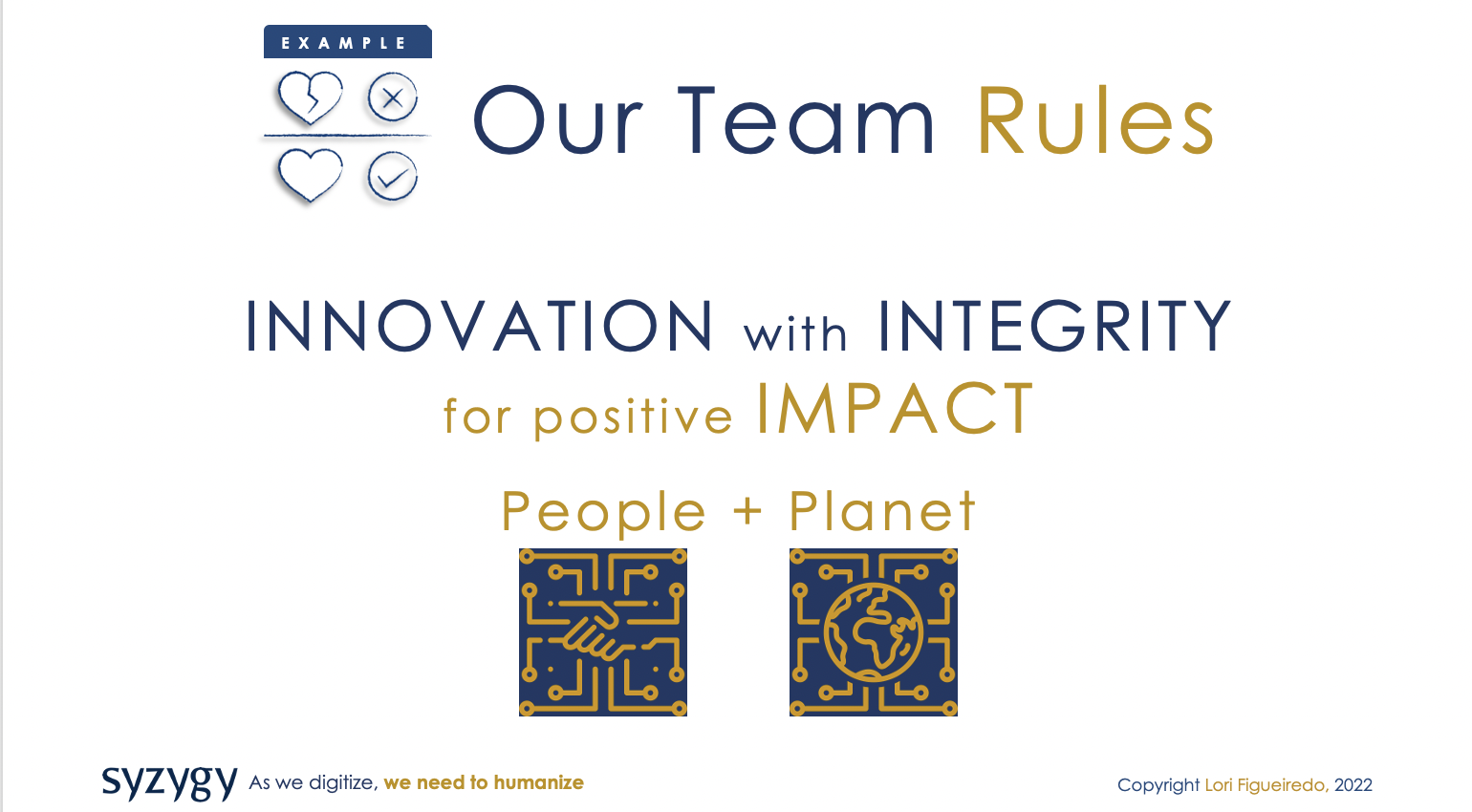
                      Examples of rules could be that “we will…be positive, be open to new ideas and to think out loud as a way to share and generate more ideas”.  

                      Below is one of the rules we have adopted in our Team…whatever we do we must deliver value and have a positive IMPACT.  Or if not possible, we would rather do nothing!

                      Hello readers! Hope you liked what you read today. Click the like button at the bottom of this page and share insights with your colleagues and friends!

                      For more such amazing content follow Digilah

                      Categories
                      Mar Tech

                      5 Brilliant Ways to Use Live Chat for Ecommerce Experience

                      Written by : Shadz Loresco on Digilah (Tech Thought Leadership)

                      Consumers no longer see shopping as a mere transaction; it’s about providing an entertaining and engaging experience.

                      When you don’t win a customer’s trust, they go to a competitor or change their mind about making a purchase altogether.

                      What can you do to provide a great customer experience that generates loyal customers and maximizes revenue?

                      Humanizing the customer experience is one way to differentiate yourself from your competitors.

                      Instead of offering discounts that hurt sales, engage with customers, and provide a personalized experience to increase customer loyalty and drive repeat purchases.

                      While most e-commerce stores offer self-service options such as knowledge bases, FAQs, and perhaps an automated chatbot, many consumers prefer to speak with a real human being. For businesses, live chat is a low-cost alternative to expensive phone calls.

                      Here are five ways to use live chat to make your online shopping experience more personal.


                          1. Be sure to make a good impression on your online visitors

                        Visitors’ first impressions of your e-commerce store are determined by many of its elements, including design, user experience, and product offerings. Others include how easy it is to get customer support and service when they need it, and the channels available.


                            • Customize the look and feel of your live chat widget

                            • Enable a friendly Smart Greeting that welcomes your visitor

                            • Design your widget icon and chat box in a way that matches your brand image

                            • Even better, embed an in-call video or image to introduce your brand

                            • Localize your live chat; enable Smart Routing on your widget to automatically assign visitors to the most suitable staff based on device language or geographical location


                              1. Give your customers the option to contact you at any time

                            Live chat support is a fast, efficient way to help customers.

                            Customers don’t have to wait for an email response or pay long-distance phone charges to get help; they can just chat with you directly!

                            You can also set up offline contact forms so that people can leave their contact details for immediate follow-up when staff are online.


                                • Enable web calls from the live chat widget for consumers who prefer to speak with a staff rather than type in a message

                                • Visitors can also access a directory of staff members to find the best person to answer their questions, such as exchanges & returns, shipping, or payments


                                  1. Create an emotional bond with shoppers

                                Inspire consumer trust by showing the human side of your staff. Live chat allows customers to interact with real people, rather than automated messages, bringing e-commerce one step closer to humanizing the customer experience.

                                For example, if your staff are into running, they can share their recommendations on running gear. Providing instant replies to customer inquiries can make customers feel valuable and important in addition to reducing customer churn by keeping your best customers and encouraging repeat sales.


                                    • Having a live chat widget that allows you to seamlessly switch between chat, video calls, and voice calls inside the same app is a winning feature that can help you stand out from the competition

                                  Video: https://www.youtube.com/watch?v=mD2XIFwcYL8


                                      1. When you add value to a conversation, you make it more meaningful

                                    As your customers progress through their purchase journey, you should be creating and sharing content to keep them engaged. The best way to do this is by creating content that is timely and relevant to the conversation your brand is having with its audience.

                                    This could be a new product offering, promotion, or even a social media post showcasing your brand personality.


                                        • Add a web link to push visitors directly into a live chat session, or a web call with a staff who previously helped them

                                        • A great way to keep offline interactions going is with QR codes. Stick these on the backs of your products so that customers can easily access help if they need it

                                        • Print QR codes on your marketing materials so that leads can be generated from printed posters, leaflets, and brochures in addition to your e-commerce website


                                          1. Personalize the chat as often as you can

                                        Customers expect to be treated as individuals, so try to tailor your responses based on the information you have about them. Great customer service means using the customer’s name in the conversation, whenever possible and appropriate.

                                        This helps the customer feel like they’re speaking with a human person behind the brand rather than an automated bot.


                                            • Personalize conversations by asking for additional information through pre-chat forms

                                          Get the most out of your e-commerce customer experience

                                          When e-commerce stores are focused on generating leads and growing sales, it’s easy to lose sight of the personal touch. The simple truth is that people return to brands they know and trust to give the best buying experience. 

                                          Live chat is the perfect antidote to this problem: Provide a human touch with your customers’ questions and concerns, and you’ll transform transactional experiences into memorable and pleasant ones.

                                          Leverage the power of a unified CX and EX solution to create a truly connected, intuitive, and immersive experience. To learn more about CINNOX, request for a demo or sign up for a free trial.

                                          Most searched question

                                          What is live chat in e commerce?

                                          What are the benefits of live chat?

                                          Most searched queries

                                          Companies with live chat support

                                          Best live chat for ecommerce


                                          Hello readers! Hope you liked what you read today. Click the like button at the bottom of this page and share insights with your colleagues and friends!

                                          For more such amazing content follow Digilah

                                          Categories
                                          Mar Tech

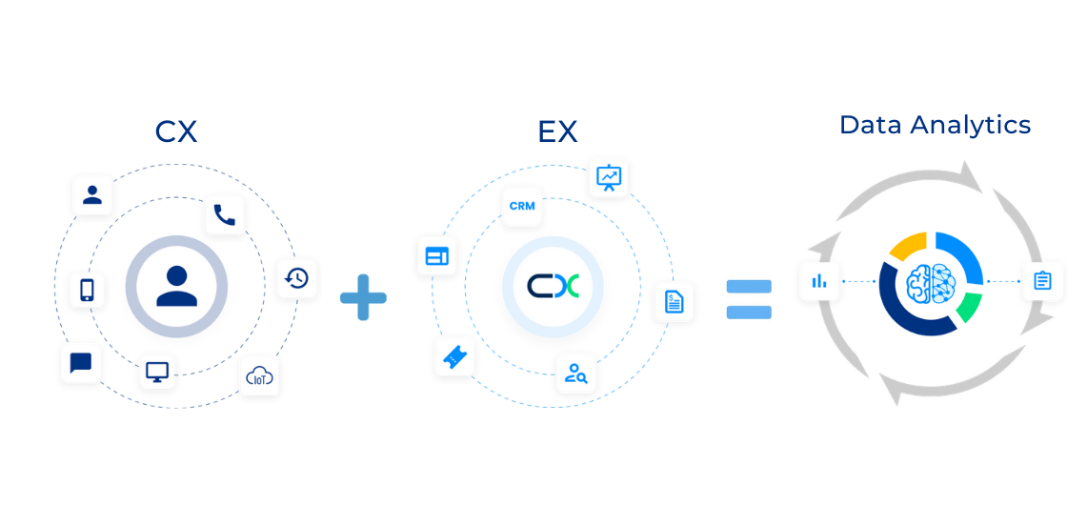
                                          Want a Thriving Business? Focus on Relationship Between CX and EX

                                          Written by Gunalan R on Digilah (Tech Thought Leadership)

                                          The world of customer experience (CX) and employee experience (EX) is a complex one. One of the main challenges that organizations face when trying to create a seamless customer experience is the fact that it’s not just about creating happy customers – it’s also about creating happy employees. 

                                          The “experience economy” is a term coined by Joseph Pine and James Gilmore in their book, ‘The Experience Economy, Work is Theatre & Every Business a Stage’. They argue that the experience economy is a new economic paradigm where companies compete for consumers’ attention, not just their money

                                          To compete in this new landscape, businesses must focus on creating experiences for their customers and employees.

                                          The concept of ‘experience‘ has been around for a long time, but it’s only recently that we’ve seen organizations begin to realize just how important it is.

                                          Linking customer experience (CX) and employee experience (EX) strategies can be a challenge, but there are a few best practices worth keeping in mind:

                                          Identify Critical Interactions and Journeys With Your Customers

                                          Combining customer journey mapping with customer experience (CX) strategy can help your business identify the pain points in your customers’ transitions through various stages of their relationship with your brand. 

                                          Once you have a basic roadmap of the customer experience, it’s time to identify where most of your customers are experiencing friction. 

                                          Think about how they interact with your business: 

                                          • What channels do they use? 
                                          • When do they need support? 
                                          • How long does it take for them to get a response from your company? 

                                          The answers will help you determine where improvement is needed.

                                          The same concept applies from an EX perspective. An EX journey map would include everything from how potential new hires learn about career opportunities with your firm to how they’re onboarded and set up for success as new employees, what kind of coaching they get as they progress within the company, and how they pass on their work to successors.

                                          A Digital-First, Data-Driven Approach Is What Connects CX and EX

                                          Companies need to help their employees get up to speed on the latest developments and changes in their field. A great customer experience happens when everyone on a team is knowledgeable about customers’ preferences, behaviours, and needs. 

                                          When your team knows what the customers need, they can better serve them. 

                                          The best way to do this is by providing your team with clear and accurate customer data that’s easily accessible from a single source. 

                                          A customer-centric company puts customers at the centre of everything they do. That means making the customer experience a priority in all areas of the business, from sales and marketing to product development and customer service.

                                          It also means collecting data from all touchpoints to get a clear picture of who your customers are and what they want—and using this information to inform decisions about products, services, pricing, promotion, and more.

                                          Unify Communications – Humanize the Experience

                                          85% of the time, a great employee experience will result in a great customer experience. 

                                          To foster this, companies need to provide human-centered support. 

                                          Customer service positions in the new age of remote work or a hybrid workplace can be isolating, leading to burnout and high turnover rates.

                                          Companies must foster a sense of community and encourage employees to engage with one another through internal platforms.

                                          1. Equip your employee with the right tool

                                          Start with a unified communications platform that brings all your chat, voice, email, and social channels together. This will make it easier for employees to find past conversations and work together on tutorials for new employees. 

                                          Priority routing with relationship mapping technology can also be used to help achieve faster first-time resolutions.

                                          1. Encourage your employees to work together

                                          Ensure your next-generation CX platform delivers a single view of the customer where employees can smoothly switch between external and internal conversations without having to toggle between different applications.

                                          Look for capabilities like omnichannel integration, IVR, AI bots, smart routing, and live chat. Unify your teams so they can work faster and smarter.

                                          Employee Experience and Digital Customer Experience: A New Way Forward

                                          We’re used to thinking of customer experience as the sum of all interactions with an organization. But as we’ve discussed, there are many different touchpoints that make up an organization’s digital customer experience.

                                          And for your employees to deliver on their mission, they need a great employee experience. The two are inseparable—and when they work together well, there is no limit to what you can accomplish.

                                          A good EX program can help you increase CX, profitability, productivity, and employee retention.

                                          Video: https://youtu.be/8vXu5f4wHnQ

                                          Leverage the power of a unified CX and EX solution to create a truly connected, intuitive, and immersive experience. To learn more about CINNOX, request for a demo or sign up for a free trial.

                                          Most searched question

                                          What is a thriving business?

                                          How are CX and ex related?

                                          Most searched queries

                                          Ways to Improve EX and CX 

                                          Thriving Business ideas

                                          Hello readers! Hope you liked what you read today. Click the like button at the bottom of this page and share insights with your colleagues and friends!

                                          For more such amazing content follow Digilah