As I walked out of my last day at ICICI Bank, I had no clue that the next nine years would be a rollercoaster of challenges, triumphs, and a remarkable digital transformation that would reshape my life. Now, at fifty, I reflect on my incredible journey, sharing how technology played a pivotal role in turning my life around.
The Corporate Crossroads: A Leap into the Unknown
After eight successful years in senior positions at ICICI Bank, I faced unexpected career challenges. Despite my vast experience, finding a new opportunity proved elusive.
Rejections, manipulations, and disappointments followed, but my resilience and determination never wavered. In the professional realm, I found myself paddling my canoe through stormy waters, constantly searching for new opportunities.
Navigating Success in Real estate Sales
In my new role as a Real estate Sales Consultant at Acube Development in Dubai, I have harnessed the power of technology to excel in my career. Drawing from my personal journey of overcoming challenges, I bring resilience and adaptability to the forefront.
Leveraging digital tools, I navigate the real estate landscape with a fresh perspective, connecting with clients and utilizing innovative solutions to meet their needs.
Personal Battles: Navigating Life’s Unpredictable Course
In my personal life, I encountered societal expectations and stereotypes that came with being a single woman in India. Undeterred, I learned to navigate the judgment and advice, emerging stronger and more resilient.
Despite heartbreaks, failed relationships, and societal pressure, I chose to face life head-on, adapting and evolving with each experience.
Embracing Solitude and Self-Care: A Digital Detox
I discovered the importance of setting boundaries and prioritizing self-care. In a world constantly connected through technology, I learned to disconnect, recharge, and find moments of solitude.
The digital age presented challenges, but my determination to find time for myself prevailed, enabling me to focus on personal growth and inner peace.
TechRevive: The Digital Turnaround
Amidst the ups and downs, technology emerged as my ally. In my pursuit of a new occupation, digital platforms became powerful tools for networking and self-promotion.
My story is a testament to the transformative impact of technology on personal and professional reinvention. Today, I extend my experiences to help others facing similar challenges. As an informal counsellor, I provide support and guidance to those navigating life’s complexities.
Conclusion: The Best Is Yet to Be
In my life, technology functioned as a catalyst for transformation, aiding me in rebuilding, reinventing, and emerging stronger. My journey is a reminder that, even in the face of adversity, embracing digital tools and maintaining a positive mindset can lead to remarkable personal and professional growth.
As I aptly put it, “The best is yet to be,” and my story stands as a testament to the resilience of the human spirit, fueled by the power of technology.
Most searched questions
How will technology help in building one’s career?
What is digital detox?
Most searched queries
Digital detox
Dubai properties for sale
Buy property in Dubai
Catalyst
Hello readers! Hope you liked what you read today. Click the like button at the bottom of this page and share insights with your colleagues and friends!
For more such amazing thought leadership articles on technology follow Digilah people.
Imagine a world where tiny robots navigate our bodies, fighting diseases and fixing problems at a cellular level. Sounds like science fiction, right? Well, hold onto your hats 🎓👒, because this is a rapidly becoming science fact!
Welcome to the fascinating world of precision medicine and nanorobots.
First off, what’s precision medicine? It’s like having a tailor-made suit, but for your health. Traditional medicine takes a one-size-fits-all 💊 approach, but precision medicine is all about personalization.
It considers your genetic makeup, environment, and lifestyle to provide treatments that are just right for you.
Now, enter the nanorobots. These microscopic marvels, often smaller than a human hair, are set to transform our medicine.
Think of them as tiny doctors 👨⚕️👩⚕️ travelling through your bloodstream, delivering drugs precisely where they’re needed, targeting tumors, or even repairing damaged tissues.
It’s like having a mini medical team inside you, working round the clock!
💡 Let’s dive into some mind-blowing research. Scientists are already making headway with these mini miracles. For instance, researchers have developed nanobots that can identify and isolate cancer cells much more efficiently than traditional methods!
These bots are like skilled snipers, taking out the bad guys without harming the innocent bystander cells.
And it’s not just about tackling the big C (cancer, that is). Nanorobots could play a crucial role in managing chronic diseases like diabetes, by continuously monitoring blood sugar levels and releasing insulin as needed.
Imagine saying goodbye to constant finger pricking and injections! 💉
But wait, there’s more! These nanorobots aren’t just about treating diseases; they’re also about prevention! With their ability to monitor your health at a microscopic level, they can detect potential health issues before they become serious problems.
It’s like having a crystal ball for your health! 🔮
Now, I give you some examples: Imagine a nanobot that’s like a tiny plumber, unclogging your arteries to prevent heart attacks. Or think of them as microscopic gardeners 🌻, pruning away the bad cells and nurturing the good ones.
The possibilities are endless and quite inspiring to think about!
Of course, with great power comes great responsibility. The ethical implications and safety concerns of having these tiny robots in our bodies are topics of hot debate.
💚✅But one thing’s for sure, the future of medicine with these nanoscopic helpers is bright and incredibly exciting.
So, there you have it – a peek into our future where nanorobots team up with precision medicine to keep us healthy. It’s not just about curing diseases anymore; it’s about enhancing our lives, one tiny robot at a time.
Stay tuned, because the future of healthcare is also looking incredibly small – and that’s a big deal!
Please share your thoughts, experiences, place a Like or even share this article if my article was somewhat inspiring to you 🌞 to Marcus Parade, who is the international sales manager at Messe Frankfurt GmbH
How does Nano technology can be used to prevent or cure diseases?
What is precision medicine?
Most searched queries
Nano robots
Precision medicine
Hello readers! Hope you liked what you read today. Click the like button at the bottom of this page and share insights with your colleagues and friends!
For more such amazing thought leadership articles on technology follow Digilah people.
The telehealth industry is expected to grow from US$26.4 billion in 2020 to $70.19 billion by 2026.
At the onset of the pandemic, virtual visits to healthcare providers peaked. As the population ages and more people live longer with chronic conditions, the demand for telehealth services will continue to rise.
Remote consulting allows patients – who might have mobility issues or live far from the clinic – to access medical services more easily and conveniently. It also enables doctors to provide more flexible and responsive care, which can be especially beneficial in the case of follow-up consultations.
Some will argue that remote consultations will never replace the in-person experience. This is where virtual consultations come in.
Virtual consultations are a modern approach to delivering traditional face-to-face consultations. When implemented, they offer a secure digital healthcare service to your patients.
What is a virtual consultation
It allows patients from their houses to consult with a doctor online using live video conferencing, which results in more convenient and cost-effective care for both parties.
Two-way high-definition (HD) video conferencing has paved the way for more types of virtual visits than ever before. Advisors can now engage with patients via this technology, which allows them to access a new range of treatment possibilities from any location–using a smartphone, tablet, or desktop.
A virtual consultation is also an effective tool for follow-up consultations between patients and their doctors after they’ve been discharged from the hospital or clinic.
We have seen practices establishing virtual health clinics with a full suite of diagnostic tools and secure video conferencing technology.
This allows the continuity and flexibility of best care without sacrificing the quality of that care and the patient experience.
Improving health services with virtual consultations
Let’s discover some of the best features that make virtual consultations an excellent tool for delivering healthcare.
Easy to use
A virtual consultation must be simple to join and a user-friendly tool. It allows patients to connect with their doctors from their homes or any location, using a smartphone or computer. The process must be quick, easy to follow, and not require any technical support.
High-quality video and audio
The quality of the video and audio is key to a successful virtual consultation. For doctors and patients to have a productive session, they must be able to see each other’s faces and hear each other’s voices clearly, with no delay in transmission. This is where carrier-grade services come into play.
Carrier-grade services are dedicated and specialized networks that deliver high-quality voice and video with minimal delay. The standard for this kind of service is the ability to deliver 99.95% uptime.
They are designed to ensure a consistent experience for both parties in all environments, including remote locations such as rural communities where there may be limited or no access to other forms of communication infrastructure.
SMS notifications
Text messages are often more effective ways to communicate with patients than emails. This is often the case of reminding them of upcoming appointments or medication.
The ability to send text messages to their mobile phones is a very useful feature that can help streamline your practice’s workflow and improve patient satisfaction.
SMS notifications can be used for many things including appointment reminders and schedules, prescription refills, disease management programs, and more. It’s also an easy way to communicate with patients who don’t have email access or prefer not to use it.
A recent study shows that text messages receive a 90% engagement rate and help patients feel more connected to healthcare teams.
In addition, call links or live chat can be included in text messages. This function allows patients to click a link in the message to connect with their advisors in real time.
Unified workspace
Combine all channels and networks in a virtual space where your team can collaborate in real-time on any device. It’s an environment that fosters patient care and empowers staff to work together seamlessly across different locations, making it possible for them to stay connected no matter how far apart they are.
A unified workspace brings together all of the tools you need—like scheduling, messaging, file sharing, video and call conferencing, and more—into one place so everyone has access to the information they need at any given time.
It’s an easy way to connect with patients while maintaining high levels of security and privacy.
Virtual numbers
Virtual numbers provide a convenient way to connect with patients, no matter where they are. Whether you’re a local clinic serving your community or a multidisciplinary clinic with international patients, virtual numbers can be answered on any device and will always forward to the correct location.
Data security
Keeping patient data secure is one of the biggest challenges for healthcare providers.
Healthcare organizations are required to comply with HIPAA regulations that govern the protection of patient health information, which includes ensuring that all data is encrypted and stored in a secure environment.
To protect your data, consider using platforms that offer encryption, backup and recovery, GDPR compliance, and relevant industry standards. In the age of data breaches and hacking, it’s paramount to have a secure way to communicate with patients.
Benefits of online consultations
Virtual consultations offer health services the chance to diversify the ways they interact with their patients.
In today’s world, convenience is key. This concept unsurprisingly applies to healthcare with 74% of patients preferring easy access to services over in-person interactions with providers.
Advantages for patients
Online triage, psychiatry, and therapy offer an improved level of healthcare to vulnerable groups, including the elderly and disabled. Patients are not required to leave their comfort zones and can feel more at ease during the consultation, enabling better diagnosis.
Advantages for doctors
Increasing the efficiency of care delivery and reducing the costs of transporting patients between medical care facilities.
The use of virtual consultations can also help doctors manage their workloads, reduce their mental stress, and improve their work-life balance.
A growing trend in virtual healthcare consultations
Virtual consultations in healthcare are a permanent part of the medical landscape, and they are here to stay.
They offer patients access to a wider range of healthcare providers than ever before and allow providers to extend their reach into areas where they have previously struggled to establish a presence.
Communication technologies have become an essential part of most people’s daily lives, but until recently they have not been widely used in health care. A secure and user-friendly installation with audio and video clarity is crucial for virtual health.
The implementation of remote consultations is not meant to replace in-person consultations but to improve the overall doctor-patient journey.
Leverage the power of a unified CX and EX solution to create a truly connected, intuitive, and immersive experience. To learn more about CINNOX, request for a demo or sign up for a free trial.
Most searched question
What are the benefits of virtual consultation?
Which online medical consultation is best?
Most searched queries
e-consultation in health care
Telemedicine
Hello readers! Hope you liked what you read today. Click the like button at the bottom of this page and share insights with your colleagues and friends!
The travel restrictions in many countries have eased. Hotels and group tours are filling up. The travel and hospitality industry were the worst-hit sectors during the pandemic.
The challenges of going through the lockdown. No more dining out, partying with friends, or even setting out on a staycation with family.
We have come a long way. Even though most countries around the world have lifted travel restrictions, people are still apprehensive about booking a flight ticket, pre-paying for a hotel booking, or even dining at their favourite restaurant. But that doesn’t mean people are not keen to go out again.
The pandemic has changed the hiring landscape in nearly every industry, including hospitality. Now that the worst of the pandemic is over, the industry needs to thrive with the highest focus on customer experience (CX).
Leaders from the hospitality industry are well aware that compassionate customer service is the key to creating an excellent guest experience and winning their trust and loyalty.
Silent Pitfalls of Customer Experience
A New Generation of Well-Informed Customers
The post-pandemic traveller is savvier than before and has higher expectations from businesses.
The new-age customer is smart enough to not make a booking online before searching all avenues for the best price available, and if by chance the price on the official website is higher than the one offered by an online travel agency, then that business is likely to see a dent in their revenue.
From searching and booking the experience to sharing stories about the experience, customers expect businesses to go over and beyond in fulfilling their expectations for ‘something different and hip’ to be considered a full-course 5-star service.
Bad Experiences Shared by Customers
One bad experience is all it takes for customers to take to social media and vent about their negative experiences.
It is also true that customers are not so driven when it comes to sharing positive experiences and need to be goaded with enticing add-ons or coupons to share one.
Customers expect instant gratification and to accommodate customers’ on-the-fly requests, businesses need to have holistic visibility of their entire journey to craft top-notch experiences.
Data Collection and Personalisation
Most hospitality businesses have marked their presence on various digital channels to actively engage with their customers and offer personalised services. However, this is not the case.
Their efforts are hindered by the lack of availability to collect data from various distributed systems and use this data to fulfil customer expectations.
When customer data is distributed across multiple systems that have no way of integrating into one, centralised destination, it leaves the customer-facing teams grasping at straws to fulfil customer expectations.
Disconnected with Customer Service Touchpoints
Multi-channel communication hailed the pre-pandemic era.
However, the landscape has seen unprecedented changes. Most businesses are out of touch with how they handle customer enquiries across individual touchpoints.
To deliver great customer experiences, the hospitality industry needs to first provide its employees with the resources they need to thrive in any situation.
An increased focus on CX opportunities as we head into 2023 and beyond will be crucial to boosting team productivity, performance, and engagement.
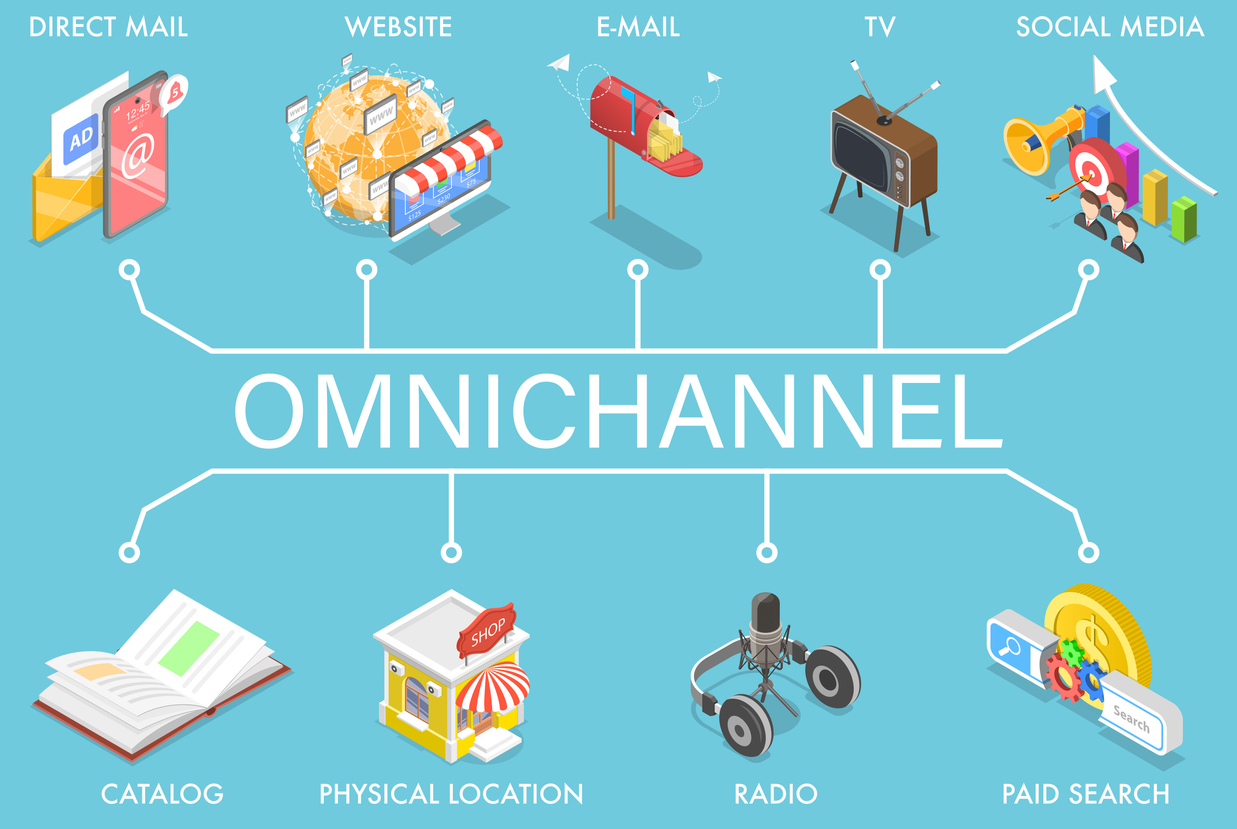
Let’s take a look at some important pillars of how the hospitality industry can reboot customer experience with an omnichannel transformation.
Roadmap to Experiential Transformation
Deliver Proactive Customer Service
Having an online presence is just half the battle. The other half is taking a more proactive, consultative approach for online visitors. Rather than depending on conversion rate optimisation (CRO) techniques, have a smart greeting function to welcome visitors.
While some visitors prefer to browse alone to find the best deals, others will appreciate you asking questions to better understand what they are looking for, and their requirements.
The most pleasant moment is when the visitor is greeted in the native language. When the customer-facing agent speaks the customers’ language, this shows the efforts the business is willing to make to satisfy their needs.
A visitor clicks on the live chat link below the smart greeting, for example. From the enquiry window, your sales agent knows the visitor browsed a cosy resort.
When it comes to the hospitality industry, the customer experience begins right from the moment of discovery and the first interaction. Businesses need to proactively engage with visitors to convert them into paying customers.
Connect Customers with the Right Experiences
Bridge the gap between telecom and digital experiences, by unifying all touchpoints on a single platform.
Businesses can create frictionless and contextual experiences by effortlessly switching between social media channels, emails, SMS, video, and phone to adapt responses.
Post-pandemic customers are looking for live human support on their preferred channel of communication. Go further and provide them with real-time, humanised experiences at every touchpoint backed by customer intent and sentiment data from a unified dashboard.
Some visitors are hesitant to move forward, in this instance for the cosy resort booking because of some safety measures of the theme park.
It takes a split second for them to leave a chat and never return if their needs are not addressed optimally.
The ability to share files within the chat widget ensures that the chain of conversation does not get broken, and empowers the agent to keep the interaction contextual.
To ensure the visitor can make an informed purchase decision, your sales agent even turns the chat into a video call and offers a virtual tour of the resort.
Conversational AI capabilities can turn the live chat into a live video tour to seamlessly assist customers through the booking process. This will expedite the decision-making.
Humanise Customer Relationships in a Digital World
The hospitality industry needs to transform its customer experience to emulate real-world, personalised services.
This can be achieved by using smart capabilities such as sticky routing. Sticky routing empowers businesses to direct returning customers to the same customer support agents who attended to their previous enquiries.
Let’s say the customer who booked the resort returns to your website again after a few weeks. This time, the customer enquiries about the availability of corporate booking packages for the company’s annual event. The customer is then directed to the same agent who attended to the previous enquiries.
Intelligent routing and binding rules act as tunnels to ensure customers receive personalised service and help in establishing efficient workflows.
Adherence and Compliance with Data Security
Keeping data secure, private, and safe from breaches takes precedence when businesses decide to digitalise their traditional processes.
Currently, many businesses are limited by the strict regulations implemented by the governing bodies on outbound telecom communication services, which impedes their ability to effectively use calls and text messaging services.
Customers’ details are a wealth to a business.
They are highly confidential. Empowering the business with a robust cloud-based unified communication solution is highly essential.
To connect customers with businesses securely and offering data retention capabilities following the government regulatory requirements is critical.
Key trends driving the hospitality industry
If you are wondering about the forces that are driving the hospitality industry after coming out of the pandemic, these numbers would make you sit up:
97% of millennials share their travel experience on social media
Approximately 90% of customers are willing to share their behavioural data if it can lead to them being offered an affordable brand experience
80% of customers feel more emotionally connected to a business when customer service solves their problem
Sales in the leisure tourism market are projected to grow at 19.5% CAGR
86% of customers are willing to pay more for a superior customer experience
Customers who are loyal to a business spend 67% more than new customers
Look forward and understand your customers better
To deliver on ambitious aspirations, the hospitality industry needs a deep understanding of its customers. The needs and expectations are constantly shifting.
With the right omnichannel CX solution, businesses can offer secure and personalised experiences to their guests while eliminating loopholes from disjointed touchpoints.
Businesses are paving the path to a brighter future by making efforts to enhance their relationships by proactively engaging with their customers on channels of their choosing.
Leverage the power of a unified CX and EX solution to create a truly connected, intuitive, and immersive experience. To learn more about CINNOX, request for a demo or sign up for a free trial.
Most searched questions
How can you enhance the experience of the client in facilities for the hospitality industry?
What is CX in travel?
Most searched queries
Examples of good customer service in travel and tourism
Future of travel industry after COVID
Hello readers! Hope you liked what you read today. Click the like button at the bottom of this page and share insights with your colleagues and friends!
As we are shaping how we work AND LEARN together with our ecosystem of Stakeholders, a clear set of “rules of engagement” or team rules are needed. This is usually assumed that people are on the same page and not discussed.
This may lead to miscommunication, disagreements and stress as there are likely to be different expectations and/or ways of operating.
Being an agile team that is open to learn, adapt and improve as a daily habit, takes some emotional maturity and adaptability amongst all the team members.
Though a very simple practice or tool, which is to agree on how the team will work and learn together is a basic fundamental which will increase the chances of success as a group.
This is especially true when we bring together a wide variety of Stakeholders from different backgrounds, professions, areas of expertise and functions.
Again, begin with the end in mind – take a moment to imagine NEW possibilities. Imagine creating a safe space that allows you and your various Stakeholders to deliver value to the organization, to each other and to the end customer.
You need to be conscious of your set of conscious AND unconscious assumptions about the possible challenges or areas of friction across the set of individuals in the team.
Let’s explore this a bit more deeply. Our assumptions and thoughts determine our behaviours and results.
We each have certain thinking habits which are patterns we keep repeating. These are the “anchors” which influence our view of the world and the way we interact in the world. These patterns are called our mindset which is based on our past and present experiences (learning and conditioning).
Thinking about our own thinking raises our level of self-awareness. This activity is called Metacognition.
It is a powerful habit to develop. If we are not aware of our mental pictures, we can limit our own success. To help us become more aware, we need to take time out to become conscious of our assumptions and thinking patterns.
A belief is a thought we keep thinking. We can have self-limiting beliefs which block us from progressing. We also have empowering beliefs which enable us to achieve great things and breakthroughs.
To create safe spaces to imagine and create new possibilities while collaborating with others, required conscious positive thinking which will help you develop yourself, your ecosystem as well as improve your collective performance to achieve positive change.
Agreeing on the rules or principles will determine how effective you work and learn together in achieving a positive impact. You may also agree on the forums and the frequency you will use to meet and connect.
Raise and discuss the possible obstacles you may have and ways you can minimize them – from the outset. Finally keep checking in to ensure you are adopting these rules as you go about your day or adapt them – if new ones are required.
Examples of rules could be that “we will…be positive, be open to new ideas and to think out loud as a way to share and generate more ideas”.
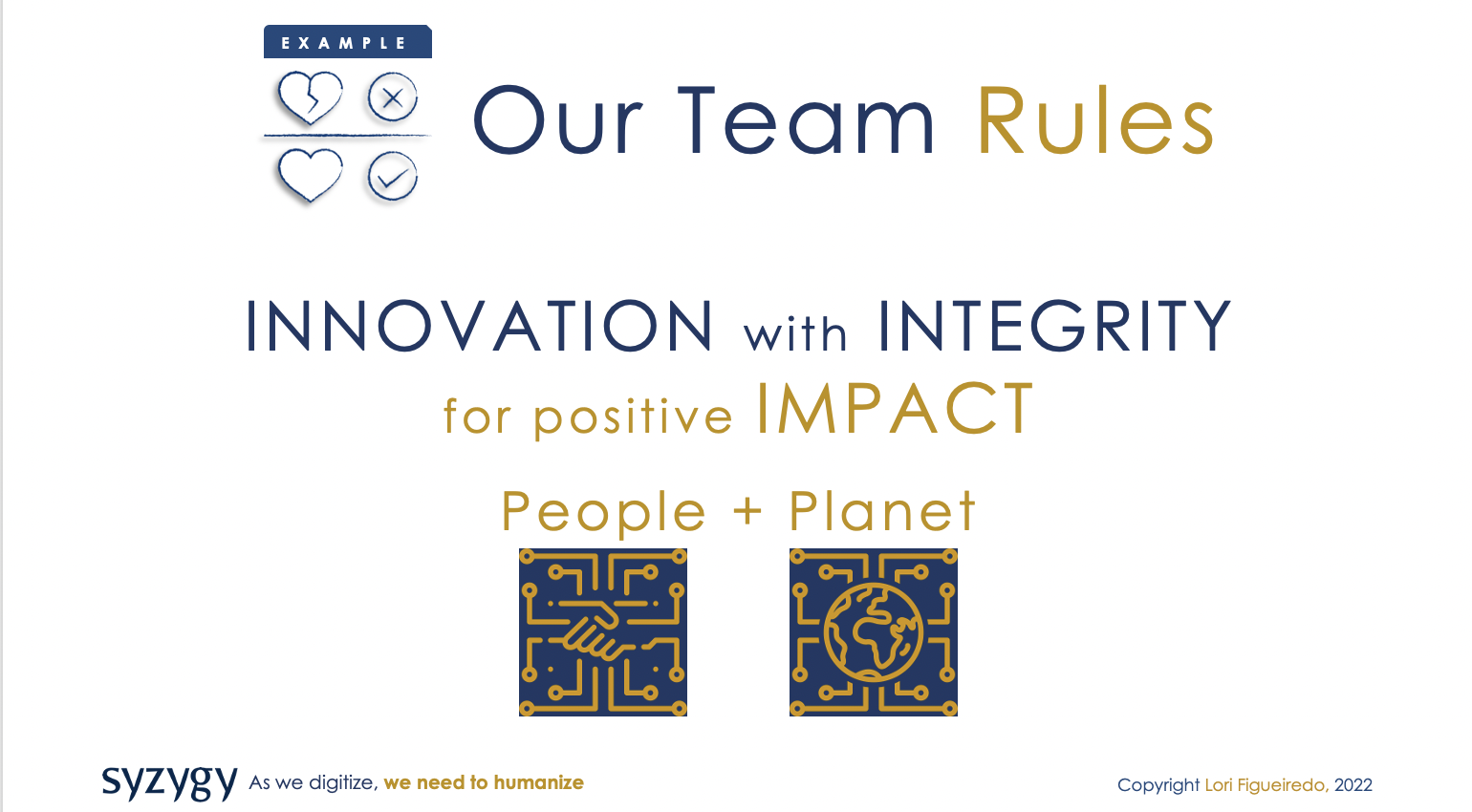
Below is one of the rules we have adopted in our Team…whatever we do we must deliver value and have a positive IMPACT. Or if not possible, we would rather do nothing!
Hello readers! Hope you liked what you read today. Click the like button at the bottom of this page and share insights with your colleagues and friends!
Consumers no longer see shopping as a mere transaction; it’s about providing an entertaining and engaging experience.
When you don’t win a customer’s trust, they go to a competitor or change their mind about making a purchase altogether.
What can you do to provide a great customer experience that generates loyal customers and maximizes revenue?
Humanizing the customer experience is one way to differentiate yourself from your competitors.
Instead of offering discounts that hurt sales, engage with customers, and provide a personalized experience to increase customer loyalty and drive repeat purchases.
While most e-commerce storesoffer self-service options such as knowledge bases, FAQs, and perhaps an automated chatbot, many consumers prefer to speak with a real human being. For businesses, live chat is a low-cost alternative to expensive phone calls.
Here are five ways to use live chat to make your online shopping experience more personal.
Be sure to make a good impression on your online visitors
Visitors’ first impressions of your e-commerce store are determined by many of its elements, including design, user experience, and product offerings. Others include how easy it is to get customer support and service when they need it, and the channels available.
Customize the look and feel of your live chat widget
Enable a friendly Smart Greeting that welcomes your visitor
Design your widget icon and chat box in a way that matches your brand image
Even better, embed an in-call video or image to introduce your brand
Localize your live chat; enable Smart Routing on your widget to automatically assign visitors to the most suitable staff based on device language or geographical location
Give your customers the option to contact you at any time
Live chat support is a fast, efficient way to help customers.
Customers don’t have to wait for an email response or pay long-distance phone charges to get help; they can just chat with you directly!
You can also set up offline contact forms so that people can leave their contact details for immediate follow-up when staff are online.
Enable web calls from the live chat widget for consumers who prefer to speak with a staff rather than type in a message
Visitors can also access a directory of staff members to find the best person to answer their questions, such as exchanges & returns, shipping, or payments
Create an emotional bond with shoppers
Inspire consumer trust by showing the human side of your staff. Live chat allows customers to interact with real people, rather than automated messages, bringing e-commerce one step closer to humanizing the customer experience.
For example, if your staff are into running, they can share their recommendations on running gear. Providing instant replies to customer inquiries can make customers feel valuable and important in addition to reducing customer churn by keeping your best customers and encouraging repeat sales.
Having a live chat widget that allows you to seamlessly switch between chat, video calls, and voice calls inside the same app is a winning feature that can help you stand out from the competition
When you add value to a conversation, you make it more meaningful
As your customers progress through their purchase journey, you should be creating and sharing content to keep them engaged. The best way to do this is by creating content that is timely and relevant to the conversation your brand is having with its audience.
This could be a new product offering, promotion, or even a social media post showcasing your brand personality.
Add a web link to push visitors directly into a live chat session, or a web call with a staff who previously helped them
A great way to keep offline interactions going is with QR codes. Stick these on the backs of your products so that customers can easily access help if they need it
Print QR codes on your marketing materials so that leads can be generated from printed posters, leaflets, and brochures in addition to your e-commerce website
Personalize the chat as often as you can
Customers expect to be treated as individuals, so try to tailor your responses based on the information you have about them. Great customer service means using the customer’s name in the conversation, whenever possible and appropriate.
This helps the customer feel like they’re speaking with a human person behind the brand rather than an automated bot.
Personalize conversations by asking for additional information through pre-chat forms
Get the most out of your e-commerce customer experience
When e-commerce stores are focused on generating leads and growing sales, it’s easy to lose sight of the personal touch. The simple truth is that people return to brands they know and trust to give the best buying experience.
Live chat is the perfect antidote to this problem: Provide a human touch with your customers’ questions and concerns, and you’ll transform transactional experiences into memorable and pleasant ones.
Leverage the power of a unified CX and EX solution to create a truly connected, intuitive, and immersive experience. To learn more about CINNOX, request for a demo or sign up for a free trial.
Most searched question
What is live chat in e commerce?
What are the benefits of live chat?
Most searched queries
Companies with live chat support
Best live chat for ecommerce
Hello readers! Hope you liked what you read today. Click the like button at the bottom of this page and share insights with your colleagues and friends!
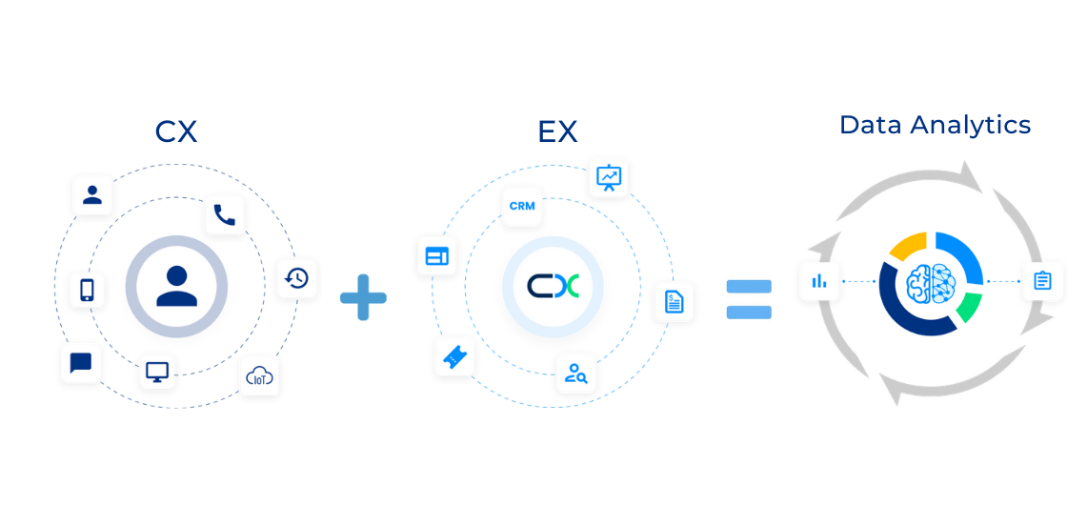
The world of customer experience (CX) and employee experience (EX) is a complex one. One of the main challenges that organizations face when trying to create a seamless customer experience is the fact that it’s not just about creating happy customers – it’s also about creating happy employees.
The “experience economy” is a term coined by Joseph Pine and James Gilmore in their book, ‘The Experience Economy, Work is Theatre & Every Business a Stage’. They argue that the experience economy is a new economic paradigm where companies compete for consumers’ attention, not just their money.
To compete in this new landscape, businesses must focus on creating experiences for their customers and employees.
The concept of ‘experience‘ has been around for a long time, but it’s only recently that we’ve seen organizations begin to realize just how important it is.
Identify Critical Interactions and Journeys With Your Customers
Combining customer journey mapping with customer experience (CX) strategy can help your business identify the pain points in your customers’ transitions through various stages of their relationship with your brand.
Once you have a basic roadmap of the customer experience, it’s time to identify where most of your customers are experiencing friction.
Think about how they interact with your business:
What channels do they use?
When do they need support?
How long does it take for them to get a response from your company?
The answers will help you determine where improvement is needed.
The same concept applies from an EX perspective. An EX journey map would include everything from how potential new hires learn about career opportunities with your firm to how they’re onboarded and set up for success as new employees, what kind of coaching they get as they progress within the company, and how they pass on their work to successors.
A Digital-First, Data-Driven Approach Is What Connects CX and EX
Companies need to help their employees get up to speed on the latest developments and changes in their field. A great customer experience happens when everyone on a team is knowledgeable about customers’ preferences, behaviours, and needs.
When your team knows what the customers need, they can better serve them.
The best way to do this is by providing your team with clear and accurate customer data that’s easily accessible from a single source.
A customer-centric company puts customers at the centre of everything they do. That means making the customer experience a priority in all areas of the business, from sales and marketing to product development and customer service.
It also means collecting data from all touchpoints to get a clear picture of who your customers are and what they want—and using this information to inform decisions about products, services, pricing, promotion, and more.
Unify Communications – Humanize the Experience
85% of the time, a great employee experience will result in a great customer experience.
To foster this, companies need to provide human-centered support.
Customer service positions in the new age of remote work or a hybrid workplace can be isolating, leading to burnout and high turnover rates.
Companies must foster a sense of community and encourage employees to engage with one another through internal platforms.
Equip your employee with the right tool
Start with a unified communications platform that brings all your chat, voice, email, and social channels together. This will make it easier for employees to find past conversations and work together on tutorials for new employees.
Priority routing with relationship mapping technology can also be used to help achieve faster first-time resolutions.
Encourage your employees to work together
Ensure your next-generation CX platform delivers a single view of the customer where employees can smoothly switch between external and internal conversations without having to toggle between different applications.
Look for capabilities like omnichannel integration, IVR, AI bots, smart routing, and live chat. Unify your teams so they can work faster and smarter.
Employee Experience and Digital Customer Experience: A New Way Forward
We’re used to thinking of customer experience as the sum of all interactions with an organization. But as we’ve discussed, there are many different touchpoints that make up an organization’s digital customer experience.
And for your employees to deliver on their mission, they need a great employee experience. The two are inseparable—and when they work together well, there is no limit to what you can accomplish.
A good EX program can help you increase CX, profitability, productivity, and employee retention.
Leverage the power of a unified CX and EX solution to create a truly connected, intuitive, and immersive experience. To learn more about CINNOX, request for a demo or sign up for a free trial.
Most searched question
What is a thriving business?
How are CX and ex related?
Most searched queries
Ways to Improve EX and CX
Thriving Business ideas
Hello readers! Hope you liked what you read today. Click the like button at the bottom of this page and share insights with your colleagues and friends!
“Design is not just what it looks like and feels like. Design is how it works.” – Steve Jobs
Design is a crucial part of any product or service. By following these tips, you can create designs that are both beautiful and functional. Design is an important part of any product or service. It can make or break a company. That’s why it’s important to get it right.
There are three main aspects to consider when designing anything: form, fit and function.
Form is the overall look and feel of the design. Fit is how well the design works within its intended purpose. Function is how well the design actually works.
Design is a crucial part of any product or service, but it can be difficult to get it right. By following these tips, you can create designs that are both beautiful and functional.
My top tips 5 for making beautiful and functional designs:
Start with function
Keep it simple
Form and function must work together.
Details matter
Test, test, test
Start with function
Start by thinking about the function of the design. What does it need to do? How will it be used? Answering these questions will help you determine the form and fit of the design.
The form of the design should be based on its function. For example, a chair needs to be comfortable and support the sitter’s back, so its form should be functional and ergonomic. Similarly, a vase needs to be able to hold water without leaking, so it needs a sturdy, waterproof base.
The fit of the design is also important. A chair that is too small will be uncomfortable to sit in, and a vase that is too big will be difficult to carry. Make sure the form and fit of your design are appropriate for its intended purpose.
Once you have considered the form and fit of your design, you can start to think about its aesthetics. What colour will it be? What materials will it be made from? What texture will it have? Answering these questions will help you create a design that is both visually appealing and functional.
Keep it simple
The best designs are often the simplest ones. This is especially true when it comes to function. A complex design may look great, but if it’s not easy to use, it won’t be successful. Users should be able to intuitively understand how to use your product, without having to think too much about it.
This is why the best designs are often the simplest ones. A complex design may look great, but if it’s not easy to use, it won’t be successful. Users should be able to intuitively understand how to use your product, without having to think too much about it.
This doesn’t mean that all great designs are simple. Sometimes, a more complex design can be successful if it’s done well. But in general, the simpler the better.
When you’re designing something, always ask yourself if it’s the simplest solution possible. If it’s not, try to find a way to simplify it. This will help ensure that your design is successful.
Complexity for the sake of complexity is never a good idea. Keep it simple, and your designs will be more successful.
Form and function must work together
Make sure the form and function work together. Aesthetics are important, but they should never come at the expense of function. A beautiful design that doesn’t work is not a successful design. Likewise, a design that works but is ugly is also not successful. The two must work together in order for a design to be effective.
Form and function are equally important in design.
In order for a design to be successful, it must strike a balance between form and function.
Details matter
Pay attention to detail. It’s the small details that can make or break a design. Don’t overlook them. Be consistent. Consistency is key in design.
Make sure your designs are consistent with your brand and with each other.
Be creative. Don’t be afraid to think outside the box. Be creative in your designs and in your approach to design. Be original. Originality is what sets you apart from the rest. Be original in your designs and in your approach to design.
Creativity and attention to detail are both important in design.
It’s the small details that can make or break a design, so it’s important to pay attention to them. Be consistent in your designs, making sure they are consistent with your brand and with each other.
Be creative and think outside the box, but always be original. Stand out from the rest with your unique designs and approach to design.
Test, test, test
Always test your design before you release it to the public. Get feedback from users and make sure it’s user-friendly.
Creating a great user experience starts with a well-designed interface. If your interface is confusing or difficult to use, people will quickly get frustrated and give up.
Always test your design before you release it to the public. Get feedback from users and make sure it’s user-friendly. Keep in mind that simplicity is often best when it comes to design. Too many bells and whistles can overwhelm users and make your interface hard to navigate.
Summary
A great design is just the beginning, though. Once people start using your product, you need to make sure they keep coming back. That’s where creating a great design comes in.
Every interaction someone has with your product should be positive and helpful. If you can make people’s lives easier, they’ll keep coming back for more.
Creating a great design is an ongoing process. You can never rest on your laurels – there’s always room for improvement. Keep listening to your users and making changes based on their feedback. With a little effort, you can make sure your product is always delightful to use.
Most searched question
What are the functional design strategies?
What makes a design functional?
Most searched queries
Functional designer
Functional design in product design
Hello readers! Hope you liked what you read today. Click the like button at the bottom of this page and share insights with your colleagues and friends!
Sophie N. Ngouakang is the managing partner of Tchinsop Law Firm & founder of “Veritas Bitcoin”. My love for innovation has led me to combine interests in technology and law practicing in a tech-related area of law such as Blockchain which to me is very promising than other law specialties. (No offense to my law colleagues with different interests). That is what I decided to do and have been doing for quite some time.
When it comes to law and technology, one could ask several questions among which – if laws will ultimately have to change to keep up with modern tech or tech will have to adapt to keep in line with the law, considering for instance that many terms and conditions on apps are agreed to by minors?
Minors agreeing to apps is another issue. Parents have an obligation to control what their minor children access. From time-to-time parents have gotten out of financial harm caused by their minor children spending money on apps, but it isn’t always a sure thing. There is a law about collecting information about children under the age of 13, but there isn’t much behind it since the children invariably check the boxes that say their parents have provided permission.
Laws constantly change to keep up with technology. Unfortunately, they often change too slowly. A good example of that would be the failure of the many governments to enact meaningful reforms related to privacy as technology has become more invasive. Habitually, in the law, we adjust the language of things we write or our approaches to conflict resolutions based on changes in technology.
However, sometimes the law does not address underlying problems and without amendments to existing laws or new laws it is difficult to resolve problems, both criminal, commercial, and civil, within the legal system.
Technology is only as good as the purpose for which we use and not necessarily for which it was intended. It’s essential to state that technology therefore, can’t be considered as a neutral tool since it all depends on how it is used.
Humans abuse tools more often than the intended designer would prefer. Like screwdrivers being used as murder weapons, the technology is not neutral because human operators are not neutral.
The most spoken about technology in recent times seems to be the Blockchain technology.
Blockchain is a decentralized, peer to peer, immutable storage network which is censor free and regulator free because of the absence of one single controlling entity.
Every transaction that is written is voted upon by a majority of nodes and changing something which was written before in the chain is computationally very difficult.
When blockchain matures to the point of being “the law”, the difference will be that “what happened when” will not take up as large a part of court hearings as today. Also, many disputes will not ever reach court because of more automatic settlements occurring before, as contracts automatically settle when parameters are breached.
You will probably see many systems of law competing for adherents, they will all have to somehow interface with the legacy system until the legacy system either innovates to compete or is abandoned in favor of better regimes.
Criminal, corporate and civil law firms will need to develop an understanding of how cryptocurrencies can be used to facilitate transfers of value worldwide, which will inevitably creep into cases of all kinds as it becomes clear that currencies like bitcoin are here to stay.
As it becomes established case law, there will also be increasing numbers of things where the incorporation of information into a blockchain becomes proof that the information existed or that something happened at that point in time.
Some countries have been much better about dealing with this technology than others as far as amending laws and/or passing new ones are concerned. El Salvador for example being the first country to legalize bitcoin as legal tender.
I think joining the tech-space with a legal background is always a plus and the inputs one can bring are countless. The first contribution that one can do is for “Smart Contracts”.
Smart Contracts are executable code that get executed upon the activation of an event in a contract.
I always encourage persons with an interest in law and technology to get an understanding of “Smart contracts” as I see a great demand for people in the near future. We will always rely on human cooperation to uphold the law.
As an illustration, if a person defaulted continuously on his rent payment for 3 months, a smart contract has the power to remotely lock the appartement.
Taking the comparison in the real-world contracts, the Terms & Conditions for a lease agreement would have been drafted by the Attorney of the landlord that exists on paper. In case of default in the payment of rents, although the clause gets invoked, the landlord would still have to serve the tenant a notice to quit, before confiscating the keys to the appartement.
With a “Smart Contract”, it is automated. Indeed, technology and law together produce a kind of creative regulation unprecedented in history, as Lawrence pointed out.
In the end, laws change over time. We see that constantly. For example, we didn’t always have cars. Then we didn’t have cars that went very fast. Now look at all the laws related to building, owning, and operating cars.
Most searched question
What is Lawtech?
What is law technology today?
Most searched queries
Legal tech Asia, Africa
Legal tech industry
Compliance and law
Hello readers! Hope you liked what you read today. Click the like button at the bottom of this page and share insights with your colleagues and friends!
The list obtained by this merger is not exhaustive and may contain errors. If you would like to help me improve it by adding new sites or by alerting me to an abusive report, do not hesitate to contact me and/or leave your comments at the bottom of this article.
Below are both pyramid schemes, fake “bitcoin faucets” and a large number of scams related to investing in cryptocurrencies (fake exchanges, fake brokers) or “ mining ”.
Although it is obvious that some projects listed (for example) on Coinmarketcap are, to a greater or lesser degree, scams, I have chosen not to include cryptocurrencies in this list.
Find out more / Bitcoin / cryptocurrencies : sites to avoid – bitcoin.fr
Most searched question
What is cryptocurrency?
What is bitcoin and how does it work?
Most searched queries
Ethereum price
Bitcoin price
Hello readers! Hope you liked what you read today. Click the like button at the bottom of this page and share insights with your colleagues and friends!
– stock exchanges that automate the market and maintain accounts in euros for their clients.
In France, they must be backed by an institution with a payment service provider license (credit institution, electronic money institution or payment institution) issued by the ACPR.
– over-the-counter platforms that connect buyers and sellers. To limit thefts and scams, these platforms sequester the bitcoins exchanged and offer a system for evaluating players.
– DEXs (Decentralized Exchanges), over-the-counter platforms that replace the trusted third party with a smart contract.
– brokers who act as intermediaries between stock exchanges and buyers.
– exchangecounters: Brokers who sell bitcoins in a given physical space, often with support for novice customers.
The exchange fees are given here for information only from the information displayed by the exchanges and most often based on a bank transfer.
Please note: – The fees only concern buyers and can be very different for sellers; – on the same platform, the overall cost can vary considerably depending on the volume traded, the trading mode (maker / taker ) and above all the means of payment , bank transfer being preferred for a lower cost.
– there may be hidden charges such as withdrawal fees; – the reference price may vary from broker to broker.
Liquidity: For the largest exchanges I have added an indication (ranging from + to +++) on liquidity, this is an indication to take into consideration if you wish to trade large volumes at the best price.
Hello readers! Hope you liked what you read today. Click the like button at the bottom of this page and share insights with your colleagues and friends!
PMs articulate the WHY through strategy, define the WHAT through prioritization, and play a supporting role for the HOW.
📍 What does an EM (Engineering Manager) do?
EMs work with their teams to figure out HOW the product should be built (e.g., tech stack, frameworks, and architecture, etc.), WHO builds it and WHEN it will ship.
🔑 What are the expectations of an EM in a Tech organisation?
▪️ Active involvement in product brainstorming ▪️ Highlight technical complexity of a solution ▪️ Drive technical execution and decisions ▪️ Empathy for user and business needs ▪️ Manage sprint planning + retro ▪️ Embrace big picture thinking ▪️ Assume positive intent
In a software shop, many roles cross paths on a daily basis but not more than the Engineering Manager (EM)’s and the Product Manager (PM)’s path.
🤝 This partnership is the one that not only ensures successful delivery of software but also things like motivation, transparency, alignment, prioritization, innovation and everything in between.
Starting from exploring the importance of this partnership, to setting the right expectations and sharing best practices.
Here are five tips to strengthen the partnership: 👇
1 Build a relationship
This is one of the most critical relationships you will ever have at work. And just like any other relationship, you get what you give. Do not leave it up to chance. Get to know each other, understand each other’s goals, priorities, communication preferences, working style, etc. Schedule regular sync-up meetings and invest the time to deepen the relationship.
2 Get on the same page
Make sure you represent a united front and be the cheerleaders for the team. There is nothing worse than a conflicting set of priorities for a team and ensuring that doesn’t happen starts with you two.
3 Assume Positive Intent (API)
The heading says it all. It’s busy, there is a lot going on at all times. There are many communication channels and oftentimes you end up doing or saying something that the other person doesn’t agree with. It’s okay. Assume positive intent. Reach out, verify, and reassure the trust.
4 Communicate early and frequently
This one cannot be emphasized enough. There should be a direct line of communication between the EM and the PM. Share even if you think it’s something trivial. Share your concerns, ideas, progress, feedback, and any other developing stories necessary.
5 Shorten the feedback loop
🤝 The HOW part is a collaboration as both sides need input from each other to choose the optimal solution.
Most searched question
Why is PM software important to your business?
What are the benefits of using project management software?
What are the key responsibilities of a project manager?
Most searched queries
Maintaining software is important
How to collaborate effectively
Collaboration in the workplace
Hello readers! Hope you liked what you read today. Click the like button at the bottom of this page and share insights with your colleagues and friends!
If you’ve been looking around at new ways to support your residents, chances are you’ve heard the words “virtual reality” being offered as a new idea. Maybe you’ve even seen pictures of people wearing headsets and waving their arms about.
But what is virtual reality, or VR, and why is it making such an impact in the aged care space?
Immersive beyond belief
Virtual reality is a simulated environment that looks and feels incredibly realistic. A key tool for using VR, is the headset, which allows you to explore this digital space by looking up, down and all around you. Unlike a computer or tablet which has a fixed field view, virtual reality adapts to your head movements to immerse you in a rich 360-degree, 3D environment.
This means that putting on a virtual reality headset feels like stepping into a completely different world. But the big question is, what can you do in this immersive virtual space?
The impossible becomes possible
Anything you can imagine! For the adrenaline seekers, how about skydiving, swimming with dolphins, or racing in an F1 car? For those looking for a calmer escape, maybe chilling out on the beach, exploring a tropical rainforest, or visiting a museum?
The technology is limitless, and it can even allow us to experience things that are impossible – a trip to mars perhaps? Or walking around the interior of the Titanic? VR can make that happen too.
That all sounds fun, but we’re talking about older adults here. Why would care providers be so keen to take their care recipients out of the four walls of a facility (virtually)?
Virtual experiences with clinical benefits
The answer lies in research, and whilst these experiences are certainly fun for all ages – they’re anything but frivolous.
Virtual reality experiences have been shown to improve the quality of life in older adults.
Participants in an American study were “less socially isolated… less likely to show signs of depression” and “feeling better about their overall wellbeing”. Another study from Taiwan revealed that VR “can provide older adults with the confidence to get involved in social activities”.
So, it’s clear that VR can have a range of positive impacts on care recipients. But the most exciting benefits of all, are linked to who we are as individuals.
A personal journey
Imagine being able to visit a childhood home, a church you were married in or a place you went on holidays with your family? For those of us born overseas, what about taking a journey back to experience familiar sights and sounds, and reconnect with your culture? Maybe a faith-based pilgrimage or personal spiritual practice?
VR is at its best when it’s partnered with a deep understanding of the individual and what’s important to them and that’s how innovative care providers are getting the most out of VR.
By building upon their strong connections with the individual, carers can deliver meaningful personalized experiences that leverage the power of VR to connect to identity.
For all walks of life
No matter what stage of life an individual is at, virtual reality may provide engagement, excitement, and an opportunity for connection.
Particularly for those of us supporting a loved one with dementia, as VR has been shown to “positively affect the cognitive and physical functioning of those with mild cognitive impairment or dementia”.
And what could be more important for someone living with dementia, than to reconnect them to their true self, their culture, and their loved ones. Now we’re really pushing the dial with “joy”!
Sometimes what’s important isn’t a clinical benefit…
Going beyond the clinical
What is immediately apparent when you try on a VR headset is that it’s like magic. Whilst there may be benefits in wellbeing and cognitive function, it’s an experience to bring wonder, enjoyment, and positive emotions and this can be supercharged when sharing the same experience in a group VR setting.
Any tool that can help bring significant and measurable joy, happiness, and excitement to the life of care recipients is one that’s worth exploring.
Ultimately, that might be the driving factor in the growing use of VR in the aged care space, a growth that’s led by innovative companies.
Changing Lives through Virtual Reality
Melbourne based virtual reality startup, SilVR Adventures, has been taking care of recipients on shared virtual reality experiences since 2019.
Providing a turnkey VR solution to care providers across Australia and New Zealand, they enable care team members to take people with a variety of needs on immersive, group VR experiences.
Our content focuses on storytelling, emotional journeys and reminiscence therapy. We want to build engaging and inspiring experiences for older adults, no matter what stage of life they’re at.
With the largest library of world tours, spiritual journeys, and bucket list events, we’re experimenting with new ways to engage care recipients. But the real magic happens when the headset comes off.
Creating meaningful connections
The most powerful moments in working with VR are the social connections it stimulates.
“We’ve found that the winning formula is taking people on adventures together. They’ll have an amazing time travelling the world or experiencing something brand new, then the headsets come off and they’re chatting about where they went, where they want to go to next and sharing memories and stories from the past. It’s incredible to watch!”
And it’s clear that aged care providers agree too, with some around Australia establishing weekly ‘Travel Clubs’ to build camaraderie and friendship through shared experience across multiple sites.
We’re super excited to be able to connect up to 40 participants around the world in a shared virtual reality experience, then have them meet in a digital space afterwards like our virtual café and chat about it.
The ability to link people couldn’t have come at a better time with restrictions and lockdowns significantly increasing feelings of isolation, loneliness, and depression among our elders.
The future of the technology
Virtual reality has made great strides in the past few years, but it still has an exciting journey ahead. With companies like Facebook and Google making big investments in the space, it’s clear that the technology will continue to grow and develop.
There’s room to grow in the personal care space too, with VR companies pivoting away from residential facilities and beginning to offer services to be used in home care too.
“So far there’s nothing on offer for people in the home, that’s why SilVR Adventures is thrilled to be launching our home care solution in 2021. We’ll be able to support older adults aging in place with enhanced connections and deliver meaningful virtual adventures, in their own home – and that’s something to get excited about.
A rich and incredible virtual world
As we head towards 2023, there is still a lot of uncertainty, but whatever happens it’s clear that we need to find new ways to stay connected and engaged, and that couldn’t be truer for those of us receiving care.
Leading aged care providers around Australia are increasingly turning to the immersive power of VR as a potential tool for reducing isolation, improving wellbeing, and strengthening connections.
Very soon personal carers in the home will be taking this technology for a spin too.
Hello readers! Hope you liked what you read today. Click the like button at the bottom of this page and share insights with your colleagues and friends!
In today’s time, technology is even in the deepest corners of each and every existing community of this world.
If I specifically speak about my own journey as an avid user of technology, I’ve been using technology ever since it came into popularity, but the density of use just multiplied by magnitudes when the pandemic hit.
Post-pandemic, things started bending towards creating content rather than just consuming it. Until the pandemic hit, I only used the technology towards a certain tangent and to a limit, which usually included digital classrooms, emails and just some YouTube videos. But, post-pandemic, the limit just became limitless with every dimension, everything just changed.
Things like LinkedIn and Twitter came into my life and with that, creating content became a part of my life henceforth the digital journey became even more vivid and deep. You see, with the purge of this digital era, every single person on this planet has started building their own “digital personality” which generally comes with a cost, the cost of mental stability. Talking about myself, obviously, I am not the same person as I am on any social media platform, because it is just a part of my overall personality and not my only personality.
My journey has been very amazing because I have been witnessing the process of progress in the digital world ever since and it feels genuinely amazing to be a part of such a generation.
I mean with platforms like Google Meet, Zoom call or even Skype you can technically meet any human being in any corner of the world. With platforms like Notion you can basically create a second brain of yours with everything in and out of your brain and even your mind.
With platforms like WhatsApp or messenger you can essentially talk to anybody without even meeting them.
With platforms like Slack and Wurker you can just make a virtual workspace altogether, just like your office.
With things like your own mobile phone or laptops you can just do whatever you want to and possibilities are just endless, literally, you may start tens of businesses just by an internet connection and a good laptop or workstation.
With things like Google Maps or any maps, you can just hop on to any place in the world in your choice of comfort!
I, in my personal as well as my professional life, have been using such beautiful and radical pieces of technology and they have made my life much more efficient, all because of obvious reasons.
As a concluding note, I would just like to mention a cliche which is indeed the truth of the century, which is, “life wouldn’t have been fair without digitalisation”, also now that every digital element is it smartphones, laptops or even the internet is becoming so pocket-friendly with an amazing durability and quality, this saying just makes even more sense!
As you can probably see in the featured image, everything and anything which is visible is pretty much possible because of the digitalisation of major elements of life, be it communicating (telling and listening, not just hearing), expressing, sensing, feeling etc.
Most searched question
What are the three types of digital technology?
How does digital tech work?
Most searched queries
Digital technology
Digital technology in education
Hello readers! Hope you liked what you read today. Click the like button at the bottom of this page and share insights with your colleagues and friends!
Co-create learning that has strategic impact, scalable reach and sustainable deployment
Ongoing waves of next generation technology…
As a learning strategist, I have been an early adopter throughout several waves of “next generation technology”. In various forms, technology has always been and continues to be a very powerful enabler of learning. This happens only when it is used as an integrated part of a learning strategy targeted to achieve pre-defined and measurable positive impact on performance (of the people and organisation).
Recurring patterns
I found the patterns and the simple rules within this complex world of people, performance and purpose, while working and learning globally with a diverse range of organisations from corporates, NGOs, governments, educational institutions to start-ups.
As technology evolves, some things remain the same… The range of ways, in which humans react to any new technology, remain the same. How we learn, how our brains work and the psychology of learning, remains the same.
The paradox…
What has truly expanded is that we have more and more diverse, innovative, and impactful ways of how organisations could be enabling learning. In addition, the pace, complexity and volume of what needs to be learned and unlearned has increased.
Yet many organisations are still on the old island taking lecture-based classroom “training” &/or existing course content, which was not impactful in the first place and turning it into AI powered digital courses, virtual classrooms &/or even virtual reality experiences.
Formally support formal and informal learning
Let’s go back to the basics. As a lifelong observer of people, I believe we have a natural capacity to learn, an innate wisdom as well as a need for connection and shared purpose.
Therefore learning works (i.e. has an impact on capabilities, behaviours and results) when we formally support both formal and informal learning. Learning works when we respect our fellow human beings. Learning works when we innovate with integrity leveraging the best in human psychology and the latest in technology. As we digitise, we need to humanise.
Enabling the 3 ways we learn naturally
There are 3 ways we learn naturally. In addition to this being based on research, take a moment to reflect on your own natural habits every day. These include leveraging a combination of:
Digital Learning = Education via content available 24×7
Action Learning = Experiences to apply the learning while working
Social Learning = Exposure to learn from/with others
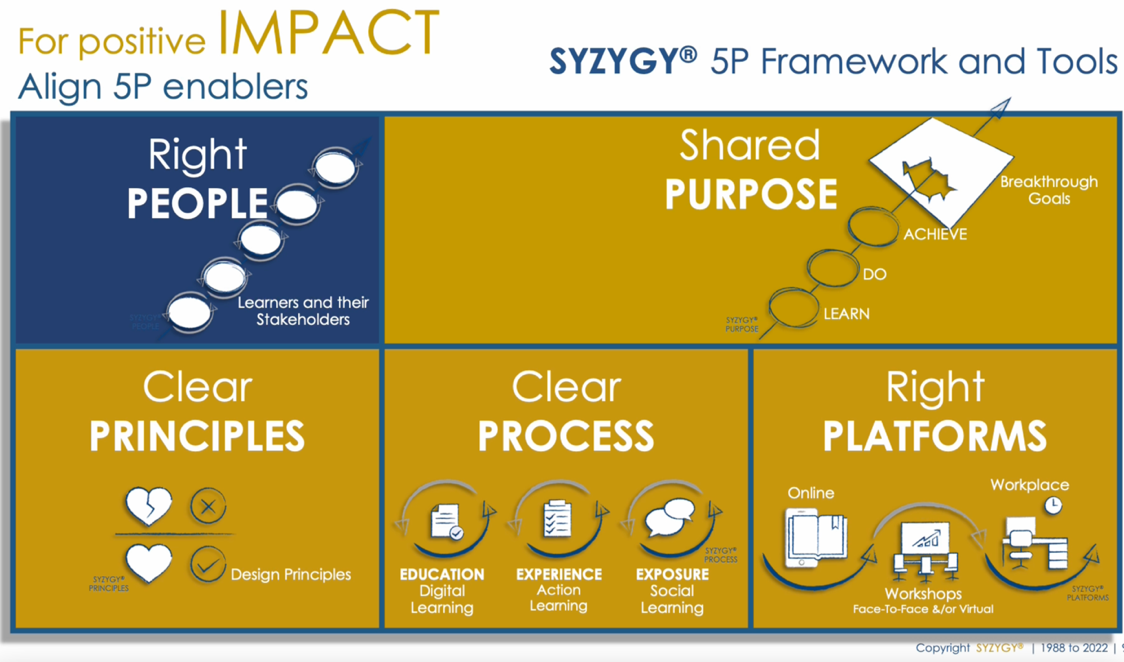
Organisations can therefore formally support learning as a daily habit by enabling a clear PROCESS which combines the 3 ways we learn.
Life is our classroom
Furthermore, every minute of the day we are presented with learning opportunities. The millions of dollars invested in low-impact, high-cost learning solutions is a crime and defies basic common sense.
It costs very little for any organisation to enable ongoing learning as a daily habit. It costs very little for the teams doing the real work, for example, to use their iphone cameras &/or basic PowerPoint to capture and share their tacit knowledge (Digital Learning).
You do NOT need to do contrived role plays and irrelevant activities in a classroom when it costs very little to consciously apply what has been learned in the workplace (Action Learning).
In conjunction with the above, it costs and takes very little to reflect on and discuss with each other, experts, practitioners, coaches &/or mentors what has been achieved and what can be improved (Social Learning).
Observing and learning with high performing teams and organisations, I found 5Ps are always in place and aligned. When we get the right PEOPLE together and support them to co-create a shared PURPOSE. Thereafter, we put in place clear PROCESSES and the right PLATFORMS (online and offline) using clear guiding PRINCIPLES. This creates a safe space that enables people to learn, adapt and improve as a daily habit.
We found this applies irrespective of whether you are working with and upskilling underprivileged youth in the rural areas, private bankers in the big cities, operators in a factory, leaders in a board room or the frontliners of a popular restaurant brand.
Technology amplifies, aggregates, increases accessibility and more…
What we are highlighting is that high performing organisations and teams create safe spaces to learn, adapt and improve every day. They fail fast and learn faster. Many call these agile teams and draw from the practices part of the agile approach, innovation and human centred design. I draw on these and practices from development and cognitive psychology.
Whatever our source, how we learn and evolve as a human race from prehistoric times to today and in future, there is nothing that is completely new. (Wall art and papyrus scrolls was the ancient form of technology (= makes things easier) and their form of digital learning available 24×7).
What continues to evolve is that technology takes what we do, accelerates and amplifies our efforts in ways that are even more scalable and sustainable. For example, a great speaker can create and instantly broadcast a relevant and meaningful message company-wide to thousands of people in a few minutes using a live video.
Technology allows us to aggregate, integrate and increase accessibility by bringing all the learning resources via an integrated or single front-end platform – from content, people to experiences.
Technology allows us to use AI such as sourcing very widely and then in seconds recommending relevant learning resources based on the Learner’s profile, needs and interests.
Technology is allowing us to distribute, consume, exchange and track learning and its impact on results using web2 such as learning experience platforms and now web3 technology such as the blockchain, NFTs and virtual reality spaces.
Yet as we leverage technology as an enabler of learning, the entire strategy must be designed for impact. We must not lead with technology. The technology as an enabler comes last in the design process. We can also reverse engineer and then iterate the original design as we learn more about new ways technology can be used.
We must design the end-to-end experience focusing on the human elements, human experience and impact.
Digital learning using learning technology as a standalone, without the human element in the real-life context, will not impact performance. It will not impact a change in our behaviours and results.
In addition to this – why learning technology is deployed and what capabilities it develops must consider human or soft skills. Soft skills have never been more important. Human intelligence combined with artificial intelligence is still the best combination. For this and many other reasons, developing our empathy, resilience, problem solving and communication skill sets and mindset, as examples, remain as critical future skills as the hard technical skills of any role. If we innovate with integrity leveraging the best in human psychology and the latest in technology – as we digitise in business, society and learning, we will remain human-centred.
Most searched queries
What is digitalization
Digitization vs digitalization
Benefits of digitalization
Most searched question
What is digital humanization?
What does it mean to humanize technology?
What is digitalization in healthcare?
Hello readers! Hope you liked what you read today. Click the like button at the bottom of this page and share insights with your colleagues and friends!