If you aren’t keeping abreast with the latest IT, Tech, and Digital trends, you’re behind the curve. Tech innovations are important for continuous education and tech development. Yet, keeping track of all of them is incredibly time-consuming.
Even IT professionals spend a lot of time gathering information, as there are hundreds of expert sources and even more technologies. So, I have a few simple steps on
How to Stay on Top Of Modern Technological Innovation
[1] Read: Spend some time reading about new technologies and concepts through sites like TechCrunch, Digilah. Also, try to keep yourself updated about the Tech stack your team is already using.
[2] Monitor Competition: Not just direct competition, it helps to follow companies in same problem domain/space. It’s good to be one up the competition, but since it is not always possible, following them closely gives a good insight about new concepts and tech that they might be aware of.
[3] Watch annual Developer conferences from major tech companies (e.g. Google, Apple, Meta, Amazon)
[6] Discover new markets and ideas with 5-minute reports from Trends.vc by Dru Riley
[7] Pay attention to what company’s top VCs are investing in, and follow those companies
[8] Read engineering blogs to learn how systems work in relatively simple language and understand how world-class teams solve product problems and eng challenges!
[9] Internal Tech Team: My biggest resource is my teammates who are generally more updated. I am curious about implementation and architecture, and I keep asking them questions, and they are kind enough to explain stuff to me stuff. This is quickest way to get all updates.
[10] Events and Meetups: All the latest technologies kind of breed communities around them. That’s a great way to know the latest trends and keep yourself updated. You can become a part of the Digilah Tech community.
Keeping up with modern technologies allows businesses to increase sales, transform business models, launch innovative products, and improve customer experience.
However, the number of emerging technologies is constantly increasing. It’s highly time-consuming to keep track of them since there are numerous sources to study, but they don’t provide accurate and full definitions, let alone cover all the latest IT trends.
To overcome the challenge, product managers must find ways to help their teams stay on top of this changing world by contributing to the community, subscribing to trade publications, joining professional communities(Digilah Linkedin page) and attending seminars, technological events.
Most searched question
What are the current macro trends?
What is macro technology?
What are the latest trends in technology?
Most searched queries
Technology trends Macroeconomic trends
Global macroeconomic trends
Hello readers! Hope you liked what you read today. Click the like button at the bottom of this page and share insights with your colleagues and friends!
To understand the term Merge, it is important to master certain operating mechanisms of the Blockchain, such as the proof of work (Proof of work) and the proof of stake (proof of stake) algorithm consensus.
The proof of work: is a mechanism by which the different machines (represented by miners) on a blockchain network validate transactions on that network, through a consensus algorithm in this case the proof of work consensus algorithm. Proof of work is done using a set of machines (computers, CPUs, GPUs, Asics etc.) driven by humans called miners. A miner’s role is to secure the network by validating transactions as they appear on the blockchain.
Basically, each transaction corresponds to a mathematical equation whose solution is unknown, when a transaction is carried out on the Bitcoin network for example, the miner whose machine will have the greatest computational capacity will succeed in solving the mathematical equation hidden behind the transaction initiated, will be rewarded with an amount of crypto (Bitcoin) into his wallet. This process is called mining.
Once the transaction has been validated by the winner (miner having validated the transaction) all the other machines (nodes) must validate and approve the transaction as well so that a copy of this transaction will be shared on all the machines involved in the mining process.
This mechanism makes it difficult or even impossible for a hacker to modify the content of the transaction. The hacker will have to modify the copy of that transaction at the same time on more that 50% of the miner’s machine that constitutes the whole network.
Generally, several entities or people join forces and create what are called mining pools in order to have an important computing power in order to validate a large number of transactions faster. The proof of work remains one of the most secure computer systems in the world. although it has certain limitations such as highenergy consumption, low transaction speed, and high transaction costs to name a few.
It is important to recall that the Blockchain Ethereum has also been operating under proof of work since its creation in 2015 and wanted to change the consensus mechanism for ecological and scalability reasons. Several alternatives have been proposed to overcome this problem, but one of the most important ones remains the Proof of Stake consensus algorithm.
Proof of stake: validates transactions on the network using money staked in wallets. Here to validate transactions on the network, unlike having a machine (GPUs, ASICs) whose computing capacity must be huge, validators must store a require amount of crypto (money) in their wallet defined by the developers of the blockchain in question, so they can participate in securing the network by validating transactions. The higher the amount, the more likely the validator is to validate a transaction, and in return earn some reward (money in the form of crypto).
In order to prepare for the transition from proof of work to proof of stake, the developers of the Ethereum blockchain set up in December 2020 a network called Beacon Chain (Consensus Layer) which is a separate blockchain from the Ethereum mainnet, running in parallel but never having processed any transaction on the main network. The Beacon chain uses the proof of stake consensus algorithm.
The MERGE is simply the fuse of the main Ethereum network (main net) which works under the proof of work with the Beacon Chain which works under the proof of stake consensus.
One of the objectives of MERGE is to reduce the significant energy consumption generated by proof work consensus algorithm. It is important to remember that The Merge is only the first step for a total migration from proof of work to proof of stake for the Ethereum Blockchain. There are several others steps such as:
Ø The Surge: whose objective will be to increase the number of transactions per second commonly called scalability so that the Ethereum network can reach the up to hundred thousand transactions per second. To carry out this step, the developers will use a network partitioning technique called sharding, which consists of dividing the network into several parts called shards, so that the transaction processing calculation will be shared among the network, therefore more digestible and faster.
Ø The verge: which will make it possible to set up the Verkle tree (an improvement of the Merkle tree) which will allow network participants to be validators without having to store a large amount of data on their machines (computers).
Ø The Purge: which will be a continuation and improvement of the previous step “the Verge”
Ø The Splurge: which will constitute a series of updates to the Protocol.
What we must remember from this important step (The Merge), the transaction costs will not be reduced, the transaction speed will not change either, since all these improvements will be integrated into the future steps listed above. On the other hand, what will change, will be the reduction in Energy consumption of nearly 99%, the issuance of tokens which will be reduced by 90% (the quantity of tokens in circulation will reduce), and the reward system as well.
I am a freelance Blockchain consultant, reach out to me and I would love to help you more on this future technology.
Most searched question
What does the Ethereum MERGE mean?
What happens if the MERGE fails?
Most searched queries
What is the Merge, Ethereum
Merge into oracle
Hello readers! Hope you liked what you read today. Click the like button at the bottom of this page and share insights with your colleagues and friends!
Co-create learning that has strategic impact, scalable reach and sustainable deployment
Ongoing waves of next generation technology…
As a learning strategist, I have been an early adopter throughout several waves of “next generation technology”. In various forms, technology has always been and continues to be a very powerful enabler of learning. This happens only when it is used as an integrated part of a learning strategy targeted to achieve pre-defined and measurable positive impact on performance (of the people and organisation).
Recurring patterns
I found the patterns and the simple rules within this complex world of people, performance and purpose, while working and learning globally with a diverse range of organisations from corporates, NGOs, governments, educational institutions to start-ups.
As technology evolves, some things remain the same… The range of ways, in which humans react to any new technology, remain the same. How we learn, how our brains work and the psychology of learning, remains the same.
The paradox…
What has truly expanded is that we have more and more diverse, innovative, and impactful ways of how organisations could be enabling learning. In addition, the pace, complexity and volume of what needs to be learned and unlearned has increased.
Yet many organisations are still on the old island taking lecture-based classroom “training” &/or existing course content, which was not impactful in the first place and turning it into AI powered digital courses, virtual classrooms &/or even virtual reality experiences.
Formally support formal and informal learning
Let’s go back to the basics. As a lifelong observer of people, I believe we have a natural capacity to learn, an innate wisdom as well as a need for connection and shared purpose.
Therefore learning works (i.e. has an impact on capabilities, behaviours and results) when we formally support both formal and informal learning. Learning works when we respect our fellow human beings. Learning works when we innovate with integrity leveraging the best in human psychology and the latest in technology. As we digitise, we need to humanise.
Enabling the 3 ways we learn naturally
There are 3 ways we learn naturally. In addition to this being based on research, take a moment to reflect on your own natural habits every day. These include leveraging a combination of:
Digital Learning = Education via content available 24×7
Action Learning = Experiences to apply the learning while working
Social Learning = Exposure to learn from/with others
Organisations can therefore formally support learning as a daily habit by enabling a clear PROCESS which combines the 3 ways we learn.
Life is our classroom
Furthermore, every minute of the day we are presented with learning opportunities. The millions of dollars invested in low-impact, high-cost learning solutions is a crime and defies basic common sense.
It costs very little for any organisation to enable ongoing learning as a daily habit. It costs very little for the teams doing the real work, for example, to use their iphone cameras &/or basic PowerPoint to capture and share their tacit knowledge (Digital Learning).
You do NOT need to do contrived role plays and irrelevant activities in a classroom when it costs very little to consciously apply what has been learned in the workplace (Action Learning).
In conjunction with the above, it costs and takes very little to reflect on and discuss with each other, experts, practitioners, coaches &/or mentors what has been achieved and what can be improved (Social Learning).
Observing and learning with high performing teams and organisations, I found 5Ps are always in place and aligned. When we get the right PEOPLE together and support them to co-create a shared PURPOSE. Thereafter, we put in place clear PROCESSES and the right PLATFORMS (online and offline) using clear guiding PRINCIPLES. This creates a safe space that enables people to learn, adapt and improve as a daily habit.
We found this applies irrespective of whether you are working with and upskilling underprivileged youth in the rural areas, private bankers in the big cities, operators in a factory, leaders in a board room or the frontliners of a popular restaurant brand.
Technology amplifies, aggregates, increases accessibility and more…
What we are highlighting is that high performing organisations and teams create safe spaces to learn, adapt and improve every day. They fail fast and learn faster. Many call these agile teams and draw from the practices part of the agile approach, innovation and human centred design. I draw on these and practices from development and cognitive psychology.
Whatever our source, how we learn and evolve as a human race from prehistoric times to today and in future, there is nothing that is completely new. (Wall art and papyrus scrolls was the ancient form of technology (= makes things easier) and their form of digital learning available 24×7).
What continues to evolve is that technology takes what we do, accelerates and amplifies our efforts in ways that are even more scalable and sustainable. For example, a great speaker can create and instantly broadcast a relevant and meaningful message company-wide to thousands of people in a few minutes using a live video.
Technology allows us to aggregate, integrate and increase accessibility by bringing all the learning resources via an integrated or single front-end platform – from content, people to experiences.
Technology allows us to use AI such as sourcing very widely and then in seconds recommending relevant learning resources based on the Learner’s profile, needs and interests.
Technology is allowing us to distribute, consume, exchange and track learning and its impact on results using web2 such as learning experience platforms and now web3 technology such as the blockchain, NFTs and virtual reality spaces.
Yet as we leverage technology as an enabler of learning, the entire strategy must be designed for impact. We must not lead with technology. The technology as an enabler comes last in the design process. We can also reverse engineer and then iterate the original design as we learn more about new ways technology can be used.
We must design the end-to-end experience focusing on the human elements, human experience and impact.
Digital learning using learning technology as a standalone, without the human element in the real-life context, will not impact performance. It will not impact a change in our behaviours and results.
In addition to this – why learning technology is deployed and what capabilities it develops must consider human or soft skills. Soft skills have never been more important. Human intelligence combined with artificial intelligence is still the best combination. For this and many other reasons, developing our empathy, resilience, problem solving and communication skill sets and mindset, as examples, remain as critical future skills as the hard technical skills of any role. If we innovate with integrity leveraging the best in human psychology and the latest in technology – as we digitise in business, society and learning, we will remain human-centred.
Most searched queries
What is digitalization
Digitization vs digitalization
Benefits of digitalization
Most searched question
What is digital humanization?
What does it mean to humanize technology?
What is digitalization in healthcare?
Hello readers! Hope you liked what you read today. Click the like button at the bottom of this page and share insights with your colleagues and friends!
Women’s health is the most neglected sector, even after multiple attempts of bringing attention to it on different horizontal and vertical levels. According to WHO health is the culmination of the physical, mental, emotional, and spiritual well-being of an individual.
A woman starts her biological journey from the onset of puberty, fertility years, and menopause, and till life continues.
LevelUpForWomen, a women’s health and wellness-based startup working on the niche of reversing PCOS was co-founded by partners Chetan Arora and Bhawana Yadav. Polycystic Ovarian Syndrome is a common endocrine disturbance that affects roughly 6% to 12% of women of reproductive age. The data is still insufficient as most of the women go undiagnosed due to several factors in their lives and the lack of PCOS-based specific scientific research and developments.
The startup was conceived based on personal experience and lack of guidance by the medical fraternity for the initial years of bearing with PCOS symptoms. It is currently bootstrapped and is already on the profitable side from the business perspective.
Technology has been a boon for women’s healthcare, especially in the post-pandemic world. It can be looked at from both the sociological and economic lens to arrive at the conclusion that healthcare and technology are a great combination for the knowledge and wellness revolution.
In a research conducted by Mckinsey, they analyzed 763 FemTech companies (FemTech a term coined by entrepreneur Ida Tin) largely tech-based and enabled, consumer-centric solutions addressing women’s health, excluding biopharma and incumbent medical devices as well as the companies which included unisex services.
It concluded the beginning of the FemTech revolution and domination in public awareness and generating large-scale funding, However, the services were earlier limited to menstrual products, devices, and applications.
New startups like LevelUpForWomen have proven to be a one-stop virtual healthcare and wellness platform.
In our experience and case studies, technology in terms of social media has become a great tool for social awareness and probing to take an action even if you are sitting in the far remote corner of the country.
It does not just act as a catalyst and solution provider to the direct consumer but also a great medium to sensitise other genders and generations which have hushed over women’s reproductive health for centuries.
In the post-pandemic world, the mental and physical health of women has undergone a major toll, being the bearer of family and trying to manage work-life balance has become even more difficult. The results are visible in hormonal imbalances, increased stress, anxiety, and depression cases. Women feel safer reaching out to judgement
-free healthcare solutions online rather than visiting traditional clinics where the approach is the same as it was 20 years ago.
The FemTech revolution in the healthcare industry is still in a nascent stage and will take time to be accepted in Tier-2 cities with fewer apprehensions but it is the dawn of the future.
Women are finding a supportive community via these technological mediums and a platform to grow and heal and restore balance in their lives. These developments promise a tomorrow where health tech will not just expand the female consumer-oriented business but also provide an opportunity for groundbreaking research and growth for sustainable women’s health.
MOST SEARCHED QUESTION
What is a common female health concern?
What is the most important issue in women’s health?
MOST SEARCHED QUERIES
Women’s health startups India
FemTec Health careers
Hello readers! Hope you liked what you read today. Click the like button at the bottom of this page and share insights with your colleagues and friends!
In the prevailing scenario, Technology has perpetually converted the way people across industries do their work.
From the past two decades digital evolution has improved working conditions immensely. It has augmented productivity and made working from anywhere accessible.
I am going to shed light to some of the upsides and downsides I have witnessed with the emerging technology trends.
Team Collaboration made easier:
Thanks to the virtual communication tools, it allows us to work more closely even as we work remotely. Team collaborations have been simplified. People don’t have to be present physically at the same place.
Video conferencing, meeting remotely and working on the same stuff at once with cloud based file sharing has made our life easier.
Automated follow-ups and customer service using AI messaging has outperformed the heavy lifting.
No longer need to stay at the Workplace:
Major impact of digital evolution in the workplace is the workplace itself. Majority of workplaces still ask you to work on-site, there are plenty of positions open to work remotely all over the country.
Advancements in global job hunts have given wings to our fulfillments and outlived the restrictions to our capabilities. We can freelance from anywhere. Organizations can hire potential candidates half a world away.
Efficiency and Incessant Speed:
Technology is the real boost. Employees have become systematically structured than ever before. What used to be a cumbersome tiring process is now done in seconds. Messages can be sent instantly to colleagues and clients across the world. Payments, billings and proposals can be taken care off immediately.
Some of the downsides include anxiety due to increased working hours. If you work from home it may feel like you are never out of the office. Flashing, pinging constantly draw Employees back to their jobs.
The learning curve to implement new methodologies separating employees by screens leads to miscommunication. Being glued to systems disrupts people and automated voicemails sometimes can make clients upset.
In a nutshell, technology in the office environment has encouraged productive habits. Organizations with advanced approaches may consider the gains in efficiency from technology as a reason to slow down as opposed to rushing the process.
I hope employees one day will get notified to take a break instead of handling more work related demands.
Most searched question
What role does technology play in today’s workforce?
What are the 10 advantages of technology?
What are the effects of technology on employees?
Most searched queries
Impact of technology on organizations
Beneficial and ill effects of technology in work
Negative impact of technology in the workplace
Hello readers! Hope you liked what you read today. Click the like button at the bottom of this page and share insights with your colleagues and friends!
Many brick and mortar businesses have put new retail and omnichannel strategies on their agenda. The pandemic has pushed many consumers, like us, online. But yet, different sets of consumers still long for the in-store experiences.
On another note, companies, now, have to battle with a mix of high inflation, consumer behaviour and changing trends. With big brands like Walmart and Shopify laying off their workforce, there is a significant uncertainty in the retail industry.
That said, all sectors of the retail industry had embraced technology solutions to accelerate the pace of digital transformation.
For the many of our beloved retails brands, offline-to-online commerce (O2O) is the solution.
O2O integration is where retailers use online and offline to provide improved customer experiences. It’s a strategy to convert traffic from ecommerce into offline sales.
A report by Forrester notes that while online shopping is projected to grow to 27% of overall retail sales by 2023, consumers are rethinking the in-store experience – with 40% of adults in the US saying they enjoy shopping in stores less than before the pandemic.
A hybrid O2O retail model bridges the two channels with a single strategy – elevating in-store shopping with digitally-enhanced experiences, while providing enticing virtual environments online. As customers become more experience-driven, the gap between ecommerce and physical stores is further reduced, with completely re-imagined customer journeys.
Virtual shopping with live digital support
Online shoppers can be instantly connected to skilled in-store staff to explore products. Customisable web widgets for live chat, audio and video calls can be leveraged for instant customer service or virtual shopping experiences. These widgets can also be activated by clicking web links – which many businesses design in their branding as buttons or images on their websites, inviting shoppers to enjoy tailored shopping experiences.
Digital platforms connect customers to staff best suited to their needs, while delivering rich customer insights.
They can even follow up with the customer over their preferred instant messaging and social media channels for better relationship building – even sending special offers and deals exclusive to that customer.
Many of us know QR codes where customers can scan them for shopping, provide product information and make payments.
Another way is to bridge the divide between in-person and virtual environments through QR codes. This blends the O2O shopping experience. For example, sharing of QR codes in marketing campaigns and advertisements, or sending a message on your Facebook Pages can transform them into a powerful communication platform. Strong retail relationships can be built through live chat, instant message platforms, virtual number or video calls and more. A QR code linked to a cloud-based omnichannel solution can help you to build a 360° customer profile with minimal effort.
Humanising your brand to nurture customer relationships
Modern customers have come to expect almost immediate responses to their queries. If you keep them waiting, or force them to navigate through a complicated procedure to answer their question, you will miss opportunities and risk losing customers to the competition. Another key differentiator is quality of service – which the right technology platform can help with, through the power of data.
Inspire loyalty from existing and new customers by building a brand that they love through a total customer engagement platform.
Most searched question
Why is O2O important?
What does O2O mean in marketing?
What are the four types of e-commerce?
Most searched queries
O2O strategy
O2O process O2O benefits
Hello readers! Hope you liked what you read today. Click the like button at the bottom of this page and share insights with your colleagues and friends!
For an entrepreneur and a technologist like myself, the potential of Web3 bringing in a Hardware manufacturing and R&D revolution in India, feels like music to the ears. India has long been viewed as a cheaper alternative for software services, an industry largely responsible for creating millionaires and scores of ambitious tech entrepreneurs.
Now, with the Hitech Manufacturing facilities being set up in various states, including Mysore and Bangalore, it’s time the world takes notice of India for their high-end hardware needs.
India – The Potential
India is the fastest-growing trillion-dollar economy in the world and the fifth-largest overall, with a nominal GDP of $2.94 trillion. India became the fifth-largest economy in 2019, overtaking the United Kingdom and France.
India is expected to overtake Germany to become fourth-largest economy in 2026 and Japan to become third largest in 2034, according to a recent report by the UK-based Center for Economics and Business Research (CEBR).
The Indian Software services industry contributes 8% to the overall GDP currently (from 1.2% in 1998), and is among its largest contributors.
India is blessed with a demographic dividend – 60% of the 1.3Bn population being under 35 years of age. Compared to other Asian giants like China and Japan, India is in an extremely favorable position to chart out a growth trajectory for the 21st century, especially in tech sectors like Hitech Manufacturing, Semiconductors, Device Hardware etc.India has been striving to attract foreign investment across sectors and is steadily climbing up the ladder as far as ease of doing business is concerned, worldwide.
India is also the second largest mobile phone market in the world, next only to China.
The government is taking steps to boost local manufacturing through initiatives such as the Production Linked Incentive (PLI) scheme for large-scale electronics manufacturing, Scheme for Promotion of Manufacturing of Electronic Components and Semiconductors (SPECS), and the scheme for modified Electronics Manufacturing Clusters (EMC2.0). Recently, the announcement of India’s first semiconductor plant to be setup in Mysore at a cost of ₹22,900 crore ($3 billion), has ushered-in a new wave of focus on hardware across the nation.
The semiconductor plant is expected to generate 1,500 high-tech and high-caliber jobs, and about 10,000 ancillary jobs, according to K.S. Sudheer, General Manager, Karnataka Digital Economy Mission (KDEM), Mysore Cluster.
Opportunities in Hardware Development with Web3
As far as systems’ topology for Web3 is concerned, the visualization landscape is driven by VR/AR. For decades, VR has seemed like a futuristic dream that is just around the corner, but never reaches its full potential.
This time, however, might really be different. Recent advances in the power of VR hardware, notably the headsets and processors used to produce realistic VR experiences, suggest that VR is finally powerful enough and cheap enough to go mainstream.1 It, however, remains clunky and heavy leading to a cognitive loss of immersion for the user.
To add to it, multi-sensory experiences demand peripheral wearables like Haptic Gloves and suits, among others, further depleting the embodied cognition necessary for Web3 immersive experiences. In fact, one of the reasons for VR not being adopted mainstream is the weight and discomfort with the present HMDs (Head-Mounted Devices).
R&D Opportunities with Head-Mounted Devices
This is a great opportunity for India to shine with indigenous R&D that could not only look to reduce the size and increase the comfort of these HMDs but also price them so as to disrupt the global market.
In terms of XR devices, a beginning has been made with JioGlass (Tesseract) and AjnaLens but complete indigenous technology across the supply-chain is still undeveloped. Some of the areas for R&D include assessment of the underlying optics technology in HMDs. For example, a technique called polarization-based optical folding is a way to design lenses so light bounces in the right way to the human eye so on-screen images are displayed properly—but the light doesn’t need to physically travel as far as it does in traditional optics. That makes the space needed for VR optics smaller.
The other technique under consideration is holographic optics, an optics technology that “bends light like a lens but looks like a thin, transparent sticker”. Holographic optics replace glass or plastic lenses, making the resulting VR headset much lighter. In fact, these advances could make the VR headsets of tomorrow, with proposed designs less than 10mm in thickness. Meta is at the forefront of this research with large investments.2
Clearly, the stakes are high and so is the investment. It’s definitely a bus India cannot afford to miss. Timely interventions have already been initiated by the Govt.
Our innovative minds need to be brought together from multiple domains like Physics, Material Sciences, Nanotechnology, Neurosciences etc. across research institutes like IITs, IISc to help crack the pilot-prototype-fabrication-commercialization cycle.
R&D Opportunities with Multi-sensory Peripheral Devices
Today, research into multi-sensory experiences yields peripheral devices for each sensory experience – Gloves and Suits for Haptics (touch), scent-based devices (smell) and gustatory (taste) devices.
A person who wants to be immersed in the virtual world should have no cognition of the real world. In this case, however, the user is well aware of these devices clinging to him, thanks to their weight and design, thereby hampering the experience and the power of Web3, for the user.
The opportunity, therefore, is to look at an integrated multi-sensory device as well as BCI (Brain-Computer Interface) capabilities that can be leveraged to create a seamless, immersive experience for the user. It is noteworthy to mention that initial steps in this regard have been undertaken at various IITs, especially IIT Chennai (Haptics), IIT Jodhpur (Sensory Devices) and IIT Bhubaneswar.
A Defense-Academia-Industry collaborative setup would help accelerate targeted research into design and usage of such devices.
This has huge potential for India in terms of IP ownership, Manufacturing and Commercialization, on a global scale. The aesthetics and function of these devices are equally important. These devices should be disruptive and act as lifestyle products which could yield greater market access globally.
Conclusion
Some of you reading this article may have your own ideas/concepts. The need of the hour is to institutionalize hardware R&D for Web3 and execute it on mission-mode much like what India did with institutions like ISRO and BARC.
It’s time for the world to take note of India as a viable and necessary market and destination for hardware launches and cutting-edge research & development in hardware manufacturing and testing. India needs to set itself up and be laser-focused on the path of R&D, Aesthetics and Commercialization of indigenous hardware for Web3, to realize that leapfrog moment.
Hello readers! Hope you liked what you read today. Click the like button at the bottom of this page and share insights with your colleagues and friends!
The healthcare industry is not yet ready for digitalization, but blockchain technology has the potential to transform how healthcare is delivered.
There are numerous potential blockchain applications in the healthcare industry, and it is critical to investigate all of them in order to fully realize the technology’s potential. However, let us discuss the TELEMEDICINE technology that has so far been used in the healthcare industry.
With the rise of telemedicine technology, more revolutionaries are turning to health tech to improve global health and well-being. Users can consult doctors and other medical professionals from the comfort of their own homes, thanks to telemedicine (be it in rural, remote, or urban areas). It has grown so quickly that everyone wants to have access to high-quality services.
Telemedicine has numerous advantages, including convenience, improved access to healthcare, quick response time, reduced workload on local medical personnel, and lower cost.
Benefits of Telemedicine
Convenience is one of telemedicine’s biggest advantages. Patients are no longer required to miss work or travel long distances to see a doctor. They can simply log into a telemedicine platform and have a doctor consult with them from the comfort of their own homes at a lower cost. This is advantageous to everyone, especially those living in rural areas where it is difficult to obtain quality healthcare at an affordable cost.
Patients can consult doctors and other medical professionals via telemedicine from anywhere in the world, at any time. This means that patients in rural areas will be able to access high-quality healthcare without having to travel long distances.
Telemedicine also saves time, money, travel expenses, and time away from work. Furthermore, telemedicine is frequently less expensive than in-person care. This is due to the fact that telemedicine platforms frequently have lower overhead costs than traditional healthcare practices.
In light of all of this, it is clear that telemedicine is a game-changing way to improve healthcare access and achieve global goal 3 for all. It is convenient and inexpensive, and it allows patients to consult qualified medical professionals from any location and at any time using their devices. Telemedicine is transforming the healthcare industry worldwide. Consider what blockchain and telemedicine can accomplish together. It would change how we get quality healthcare, keep health records, authenticate medications, and more.
Blockchain technology can be used to create a secure, decentralized platform for storing and sharing patient data. Streamline clinical trials, research initiatives, and the authenticity of pharmaceutical and medical supplies.
One potential application for blockchain is the secure storage and sharing of patient data. In the past, there has been news of patient data being stolen within individual healthcare organizations, making it difficult to share information between providers.
This has resulted in inefficiency in healthcare delivery and has put patients at risk when records are not properly handled and updated. Most developing countries now lack centralized, up-to-date, paperless medical information about their patients. This has made it difficult for organized bodies to obtain concise data or information about the state of health in some countries.
To achieve the United Nations Sustainable Development Goals by 2030, it is critical to find solutions that can help to address this issue, such as the use of blockchain as a means to save and protect users’ medical data.
Blockchain technology provides a decentralized system for storing and sharing patient data. This would enable the healthcare provider to obtain any information required at any time and from any location. It would also protect users’ data, which would only be accessible with the patient’s permission.
Furthermore, blockchain can aid in ensuring the authenticity of data collected during clinical trials and research. Clinical research data must be used to determine the efficacy of a new treatment.
Clinical trials are often complex and time-consuming to coordinate, but blockchain can help to streamline processes by providing a secure, decentralized platform where clinical trial data can be stored and shared.
The part that most leaders haven’t noticed is that blockchain can also help with medical supply chain authentication. Many counterfeit drugs have been sold on the black market, posing a serious threat to the public. Blockchain can aid in ensuring the authenticity of medical records.
By providing tracking technologies powered by smart contracts and nodes, blockchain can help to ensure the authenticity of medical products.
This would ensure that patients receive safe and effective medications while also assisting in the fight against the sale of counterfeit medications.
Building a solution that lasts longer is what inspired the creation of HellthGO, a healthcare adherence provider with the goal of providing quality healthcare services to all individuals at all levels.
HellthGO would be able to reach all parts of Africa with services such as telemedicine, where notable and qualified medical professionals would provide the best healthcare services to all.
HellthGO, in addition to telemedicine, is a social commerce platform where individuals and corporations can learn more about health care, first aid, cures, and healthcare adherence from renowned tutors, raising awareness about maintaining a healthy lifestyle and creating a safe and healthy world.
To make it easier for everyone to afford and access quality healthcare, HellthGO has decided to use blockchain technology to finance our users’ daily expenses and savings through a decentralized wallet that gives users total control over their funds while rewarding them for adhering to a health adherence plan.
This allows our users to transact in both fiat and cryptocurrency and connects them to the HellthGO transchain, where their data is secure and shared in a blockchain-powered decentralized ledger, also assess a comfortable lifestyle where HellthGO provide home delivery of medical product and services through our dispatch partners.
Speaking of other strategies, HellthGO, a health technology startup leveraging blockchain, has developed solutions that work and provide accessible healthcare through telemedicine and more technology built to reward patients for being healthcare compliant.
At least 400 million people have no basic healthcare and more than 1.6 billion people live in fragile settings where protracted crises, combined with a weak national capacity to deliver basic health services, present a significant challenge to global health (UNDP).
By digitalizing the healthcare industry using telemedicine and blockchain, we will be able to achieve good health and well-being for all by the year 2030.
This is the driving force behind HellthGo, the leading decentralized healthcare adherence solution working to achieve universal health coverage by 2030. That is, everyone has access to quality healthcare services, allowing for a reduction in mortality and morbidity rates in most African countries and improving access to healthcare for everyone, regardless of gender, age, religion, political affiliation, or geographical location, thereby increasing life expectancy.
MOST SEARCHED QUESTION
What is the future of medical technology?
How blockchain technology is transforming the healthcare industry?
Which type of blockchain is used in healthcare?
MOST SEARCHED QUERIES
Web 3.0 healthcare
Blockchain in healthcare use cases
blockchain in healthcare research paper
Hello readers! Hope you liked what you read today. Click the like button at the bottom of this page and share insights with your colleagues and friends!
Decentralized technology is the present and the early we start investing our time, energy and resources trying to understand what future DApp looks like the better for us.
Blockchain, AI, AR and IOT are amazing technologies we should be wrapping our brain around in this 21st century.
In this article, I lay out how the web has evolved, where it’s going next, and how Africa as a continent can position itself for the future.
Think about how the internet affects your life on a daily basis since it was discovered in early 1990. Internet, a system architecture that has revolutionized communications and methods of commerce by allowing various computer networks around the world to interconnect. Sometimes referred to as a network of networks, the Internet emerged in the United States in the 1970s but did not become visible to the general public until the early 1990s.
By 2020, approximately 4.5 billion people, or more than half of the world’s population, were estimated to have access to the Internet.
The Evolution of the Web
The evolution of the web can be classified into three separate stages: Web 1.0, Web 2.0, and Web 3.0.
Web 1.0 are static web sites and personal sites, the term used for the earliest version of the Internet as it emerged from its origins with Defense Advanced Research Projects Agency(DARPA) and became, for the first time, a global network representing the future of digital communications. Web 1.0 offered little information and was accessible to users across the world; these pages had little or no functionality, flexibility, or user-generated content.
Web 2.0 is called the “read/write” web, which seems to indicate an updated version of the current World Wide Web, which is known as Web 1.0. It’s more accurate to think of Web 2.0 as a shift in thinking and focus on web design. Instead of static HTML pages with little or no interaction between users, Web 2.0 represents a shift to interactive functionality and compatibility through some of the following features: User-generated content, Transparency in data and integrations.
Web 3.0 (…Loading)
Web 3.0 is the next stage of the web evolution that would make the internet more intelligent or process information with near-human-like intelligence through the power of AI systems that could run smart programs to assist users.
Tim Berners-Lee had said that the Semantic Web is meant to “automatically” interface with systems, people and home devices. As such, content creation and decision-making processes will involve both humans and machines. This would enable the intelligent creation and distribution of highly-tailored content straight to every internet consumer.
Key Features of Web 3.0
To really understand the next stage of the internet, we need to take a look at the four key features of Web 3.0:
Semantic Web
Semantic(s) is the study of the relationship between words. Therefore, the Semantic Web, according to Berners-Lee, enables computers to analyze loads of data from the Web, which includes content, transactions and links between persons.
Artificial Intelligence
Web 3.0 machines can read and decipher the meaning and emotions conveyed by a set of data, it brings forth intelligent machines. Although Web 2.0 presents similar capabilities, it is still predominantly human-based, which opens up room for corrupt behaviors such as biased product reviews, rigged ratings, etc.
For instance, online review platforms like Trustpilot provide a way for consumers to review any product or service. Unfortunately, a company can simply gather a large group of people and pay them to create positive reviews for its undeserving products. Therefore, the internet needs AI to learn how to distinguish the genuine from the fake in order to provide reliable data.
Web3.0 future for Africa
Across the world, the new Web3 economy is giving birth to myriad opportunities and the implications for the African continent are massive. Code 247 Foundationis on a mission to raised the next generation of Africa talent who will leverage the latest blockchain technologies to provide real value to billions of unbanked, underbanked and underserved individuals across Africa and other emerging markets, and we’re excited to see various blockchain protocols, startups, investors, grant funders and governments interested in doing the same.
Web3 can open up an intra-African exchange economy, it can be used for purchases and transportation between African nations. It will assist Africans to generate more economic value in a wider market.
In Africa, the evolution of blockchain technology has interested many governments across the Africa countries to explore blockchain-based solutions, creating Central Bank Digital Currencies (CBDCs) that are likely to develop a more informed approach to the Web3 economy along with policy frameworks in line with the needs of everyday users.
Web 3 can be used to solve some of the challenges in Africa, issues of land ownership:
It is no secret the messy land management in most African countries has made it harder for citizens to acquire genuine land. This has meant that most communities are left poor due to lack of access to manage and develop their lands. Other challenges include faulk drugs, financial transactions and management of traffic etc.
Conclusion
We believe in Africa 100%. Africa can be great, will be great and must be great. Blockchain and Web3 technologies will be revolutionary in Africa. There are a lot of problems with currency and corruption in Africa.
Most searched question
What Is Web 3.0 the evolution of the internet?
When did Web 3.0 start?
Why Web 3.0 is the future?
Most searched queries
Web 3.0 blockchain
Web 3.0 technologies
Web 3.0 metaverse
Hello readers: Do you like what you read today? Click the “Like” button at the bottom of this page and share insights with your colleagues and friends and do follow Digilah for more amazing articles.
As we venture into an era where the old ways of industries and new ways of technology converge rapidly to disrupt what we are used to, leaders are often thrust into situations where their people want both.
Digital transformation, sustainability, and climate change overwhelm leaders who have to deal with disruptions to businesses from new entrants; demand for corporate responsibility, in addition to their usual functions with shortening boom and bust business cycles. The average lifespan of a company has decreased from 67 years in the 1920s to just 15 years today. Blockbuster, a popular movie rental business in the United States of America (USA) lasted only 25 years from 1985 to 2010.
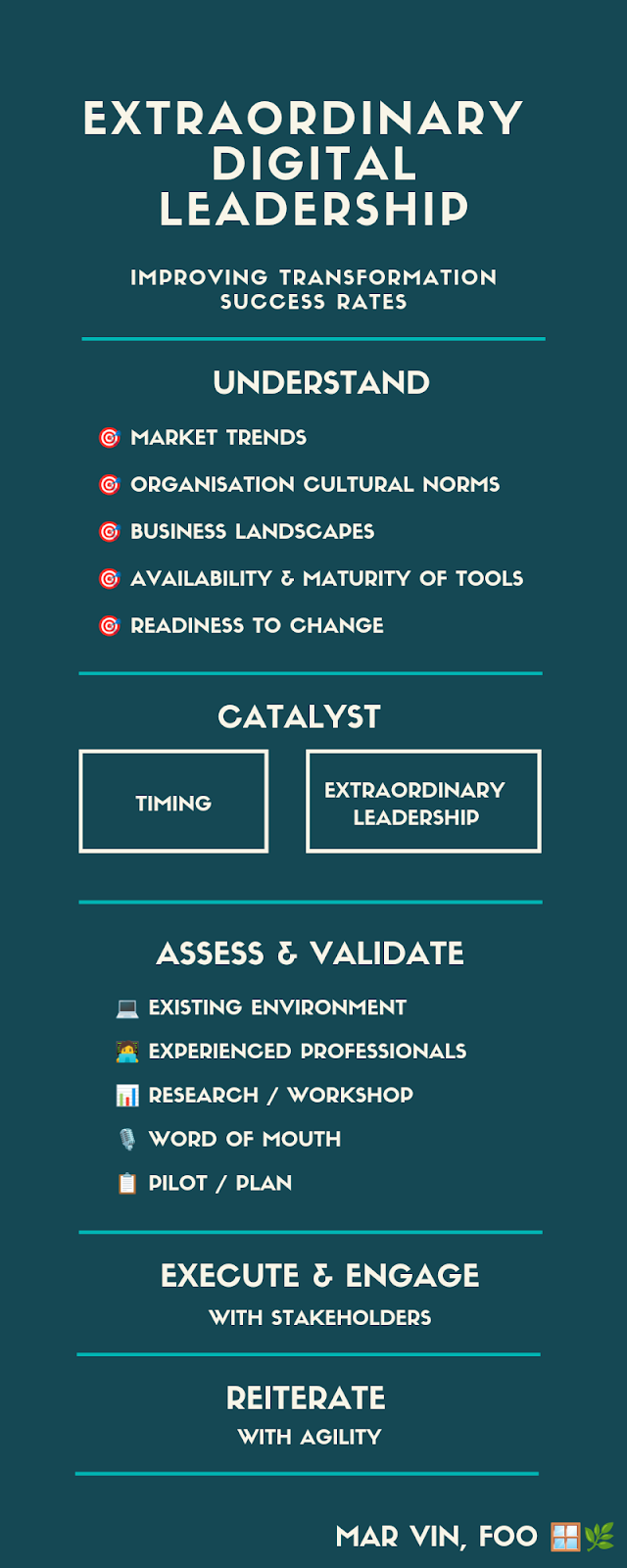
The ability to adapt is so crucial and leaders are overwhelmed to undertake the digital transformation of various departments beyond corporate Information Technology (IT) and into their business operations to survive. In this article, I’m going to share the factors contributing to transformational success, extraordinary leadership that takes immense courage to defy organisation cultural norms and business landscapes, and new technology tools that can bridge the automation, sustainability and security divide from reducing carbon footprint; escalating costs; to manpower and digital talent crunch. For the leaders who are championing workload modernisation for their sprawling legacy footprint, fret not because this will be covered towards the end of the article.
Factors for transformational success
Success isn’t always a mutually exclusive situation but rather a mutually inclusive decision that requires a knack for understanding the market trends, the organisation or society’s cultural conditions, the availability and maturity of the tools, and the readiness to change.
In Singapore, Parking.sg is a successful mobile application eliminating car parking coupons that need to be printed, perforated, inventoried, distributed, utilised and inspected. Not many are aware that there was a similar attempt to eliminate parking coupons using mobile phones when short messaging systems, SMS, were all the rage in the early 2000s before the advent of smartphones a decade later.
The maturity of mobile phones in its smartness was limited in the early 2000s with costly SMSes. A coupon-less SMS mobile solution would have been ahead of its time with limited success because the ease of use was lacking in comparison to the graphical user interfaces in today’s mobile phones.
Timing plays an important role because the effectiveness of a solution depends on it.
Today’s leaders are challenged especially in an era where it takes courage to break away from the norm, and when previous attempts at technological innovations or transformations did not succeed, making it tough to start a new attempt.
Our comforts of today come from extraordinary leadership
Steven was a former Economic Development Board (EDB) scholar who brought multiplex cinemas within a single location concept or cineplex into Singapore. It wasn’t a bed of roses to begin with because people were used to the single large seating cinemas that screens one show at a time before the 1990s.
The incumbent cinema operators in Singapore have an illustrious heritage in movie production and dominated the local scene with their traditional single-screen cinemas. They are backed by conglomerates and were keenly watching on what was deemed a risky move by a government agency to revolutionise the cinema scene in Singapore. Compared to the movie tycoons, Steven was a newbie in the business they had been in for decades.
Steven was determined to bring the successful cineplex experience from Australia to elevate local residents’ enjoyment as well as inviting innovative companies into Singapore for the benefit of the economy, which is the charter of EDB.
Conditions were challenging because he had to navigate the different agencies to secure a site to build Singapore’s first cineplex. During the 1980s and early 1990s of Singapore, prime land was reserved for private bidders and Orchard Road was the only shopping and entertainment destination. Being prudent, the relevant government agencies were only able to provide a location that was far from ideal, out in the suburbs where spending power of the residents were limited.
The odds were stacked against Steven and the cineplex company which he intended to bring into Singapore. However, they were silently confident in replicating the successful model into Singapore because of the intricate details from seat arrangement, acoustic, and the peripheral offerings from movie memorabilia and collectibles like membership cards, lighting, carpeting, plush corridors and luxurious walkways that delivered exceptional and thematic entertainment experiences.
Fast-forward till today, cineplexes are a norm and the local scene was rejuvenated with both the new and incumbent operators building cineplexes into shopping malls across the country with neighbouring countries following suit. It’s a transformational success and we have extraordinary leadership to thank for.
Maturity of technological tools and strategies for transformation
Disparate islands of systems spanning across decades and sprawling across organisational landscape, coupled with traditional computing workloads that once revolutionised manual paper processes are fast becoming stumbling blocks in the next digital transformation journey of many organisations.
Chief Information Officers (CIOs) and their teams are now overwhelmed with not just corporate IT functions but are increasingly required to offer recommendations into cybersecurity, business operations, operational technology, facilities management and Internet-of-Things (IoT).
This is made even more challenging with global inflationary concerns and the Great Resignation which reduced the pool of talents amidst the increased demand for digital talents required to transform the businesses.
The flurry of new technological start–ups make it difficult to choose the best-of-breed solution. The increasing difficulty to integrate or migrate from traditional computing workloads to newer operating models like cloud or as-a-service are present with increased risks too.
Automation and sustainable strategies from digital physical lockers for staff to self-service collection of their issued equipment; preemptive maintenance made possible with notifications; unified service desk and disparate systems for efficiency;
omni-channel platforms coupled with data and artificial intelligence to drive improved engagement experiences across mobile, web, SMS, social media and email; intelligent document processing with proven models; sustainable logistics and packaging to reduce carbon footprint are priorities to be determined by leaders in delivering the most impact in the shortest possible time.
Security strategies from conventional detection of known threats to unique detection-less methods rendering unknown attackers without a destination to target; data diodes to segregate and limit communication to one-way; file sanitization to mitigate security risks from users; automated vulnerability assessment and penetration testing (VAPT); and code scanning of binary files are a curated way to improve security postures while reducing costs.
We like the hype and excitement of new products but deep down we know maturity counts. We want a seasoned pair of hands to support transformational journeys to minimise risks and maximise the success rates.
Computing workload modernisation
For many organisations, there is really a big sprawling footprint of ageing infrastructure platforms which require a thorough review. It’s like buying a house 30 years ago and looking at the amount of items (systems) cluttering across the rooms and walkways that were bought over the years.
Some of these items are valuable because they contain important memories (data) and we like to give them a fresh lease of life with better cabinets (server rooms); offloading them to offsite storage hubs (datacentres); or digitising them and sharing with relatives over the Internet (cloud). Most of our enduring institutions or organisations are at least a few decades old and they can be cluttered. Even those who are organised will find it necessary to renovate their houses to keep up with times. The same goes for our IT systems, which are giving CIOs and their teams a hard time to revamp without having to tell their colleagues to live without a roof (downtime).
When it comes to keeping up with times, some organisations may want a rapid migration to cloud; some may be worried that the existing platforms they are on are reaching end-of-life and end-of-service. Others could already be exploring containerisation and facing challenges. Modernisation is making the right decisions with a thorough understanding and mapping of one’s environment. How much we know is half the battle won.
The next half is getting professional help. Enterprise architecture consulting offers the best insights for IT infrastructure modernisation by harmonising the existing sprawl with leading solutions that are innovative yet matured in adoption to deal with the distributed computing demands across on-premise, cloud, hybrid and edge.
Actionable digital leadership
In summary, market trends, organisation cultural norms, availability and maturity of tools, and readiness for change are factors for transformational success. Also, timing is important in rolling out successful campaigns. In addition, extraordinary leadership is crucial in delivering impact. Next, transformation success rates can be improved with careful deliberation supported by experienced professionals, backed by research, and word-of-mouth with a pilot trial or proof-of-concept to begin with. Today, social media, collaboration tools and information are readily available at our fingertips, hence it is important to execute and engage stakeholders to garner feedback for faster iterations to reach our objectives.
At Kyndryl, where I’m a partner to clients, colleagues and vendors in the region and globally, we have 30 years of experience in transforming traditional workloads including mainframes for some of the most enduring institutions.
I’m glad to share that Kyndryl developed a decision-making tree to aid our clients in a non-obligatory discovery workshop for private enterprises and public agencies. In a nutshell, it’s our way of saying hello and building goodwill in our community by offering complimentary advisory services for long-term partnerships.
#marvinTechAdvocate
I am Mar Vin, Foo.
Thank you for leading the conversation of change.
Most searched question
What makes digital leadership different?
What is the difference between leadership and digital leadership?
What technologies are involved in digital transformation?
Most searched queries
Digital transformation strategy
Technology used for digital transformation Digital leadership skills Role of technology in digital transformation
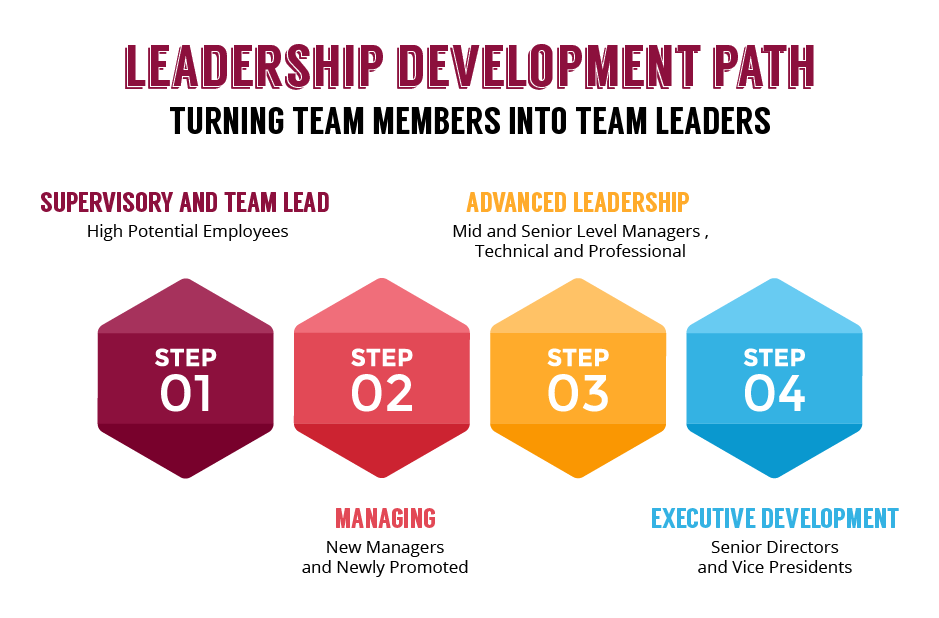
Remote learning and training became the norm during the covid pandemic. With most of us locked in our homes, we were forced to look for new ways to acquire knowledge, to connect with people and, for many, develop new skills and capabilities. Those at the top of organisations, including senior leaders who are Members of our Community, had to navigate the challenges of leading their businesses remotely. How do you keep in touch with your executive team, your Board, your people and the outside world? How do you seek inspiration and advice, from colleagues, mentors and peers, in a lock down?
Online learning and training is nothing new. Companies have offered employees access to e-learning as a flexible and often cost effective way of upskilling teams for some time. The challenge of leadership development is more complex. For executives, it’s often less about learning a new skill, but instead understanding the business landscape outside of your immediate organisation and industry. It is no longer enough to have deep sector expertise, leaders need insight from a range of sources and across different geographies in today’s fast-paced environment.
Executive development using technology to let the outside in
According to our research, senior executives including CEOs, CFOs and HRDs consistently rate development opportunities like mentoring and peer learning as most effective to their roles and responsibilities. When lockdown hit back in March 2020, Criticaleye had to quickly adapt many of the learning experiences we offer our Members, so technology played a major role in keeping leaders current and connected.
In fact, when it comes to executive development, virtual meetings and connections with other leaders around the globe has become one of the major opportunities to emerge from the crisis. Our mentors are now able to combine face-to-face interactions with virtual conversations, creating a constant and consistent touchpoint for their mentee. Equally, and although we resumed our calendar of physical events last year when restrictions were lifted, the advent of more regular, virtual roundtables and forums at Criticaleye is enabling our Members to dip into leadership insight and be inspired by peers more than ever before.
Tech and Talent
If the way leaders are developing their skills and capabilities is changing, so too is the way they think about their workforce and talent strategies. Organisations need to adapt to remain competitive, and improve their understanding of both what it means to lead a distributed workforce. It’s about much more than remote working. Leading a distributed workforce should be intentional, strategic and it requires a shift in both leaders’ mindset and the culture of the business.
According to discussions we frequently have with leaders across the Criticaleye Community, executives need to ask themselves how they can create a new sense of belonging in a more remote working environment. They also need to question how they measure and maintain productivity. Overall, there must be a focus from leadership teams on retaining your best talent, and, going back to our Criticaleye Research, the C-suite consistently cites talent as their top priority for the year ahead.
Digital transformation is not just about the customer. It must also play a key role in how you engage your teams, what you offer in order to hold on to key people, how people learn and how leaders get the touchpoints they need to be successful.
Sreena Nadarajan, Head of Research UK, Criticaleye
Most searched queries
Leadership qualities
Leadership skills
Leadership development in human resource management
Leadership development research
Most searched question
What is meant by leadership development and itsimportance?
Why is leadership development important?
How do virtual organizations deal with leadership development?
How can you be a good leader in a virtual environment?
Let’s go back to memory lane. Imagine the day when there was no email. Most of the marketers rely heavy on traditional mail for advertising. These are in the forms of flyers, catalogues, promotional letters sent via snail mail and delivered by your favorite postman.
When I was growing up and now, my mom an avid fan of Readers Digest, and we always looked forward in the mail on a monthly basis for it to arrive. She has cooking book subscriptions as well that we are eager to receive and try out some of the recipes.
The agony of waiting………
Thankfully today, it is very convenient in just few clicks you can subscribe to your favorite brands, cookbook, etc. No more waiting…
Email has tremendously transformed how many businesses can reach through their customers immediately and establish a rapport where they have the option to choose the content they want to receive.
Let’s dive in to know the History for Email Marketing
1971 – Ray Tomlinson sent the first email message which either said “Test 123” or the top row keys, “QWERTYUIOP”
1972 – Larry Roberts created an email management database that let users list, select, forward and respond to email messages.
1978 – Gary Thuerk, a marketing manager at Digital Equipment Corporation, sent the first email blast to 400 Arpanet advertising machines. This generated $13 million in sales.
1982 – Electronic mail message becomes the “EMAIL”.
1988 – Spam was introduced. Inspired by those who are angry receiving email blast the word spam is added to the Oxford English dictionally.
1989 – Lotus Notes 1.0, was launched as the first widely use email software service.
1991 – The internet was born. Everyone was using it.
Late 1990s – Email service was introduced. Microsoft released Internet Mail (now Outlook) and Hotmail launched in 1998. The same time HTML was introduced to add characters to emails using custom fonts, colors, graphics and formatting.
2003 – CAN-SPAM was introduced in the U.S, it was signed by President George W. Bush. This prompts businesses to reduce sending unsolicited emails and include sender details and unsubscribe link in every message.
2009 – The introduction of Responsive Emails which enables readers to use their desktop, smartphones, or tablet to access and read emails.
Today – Email marketing is an integral part of the any digital marketing strategies that marketers are using to nurture their customer communication in the most cost effective way.
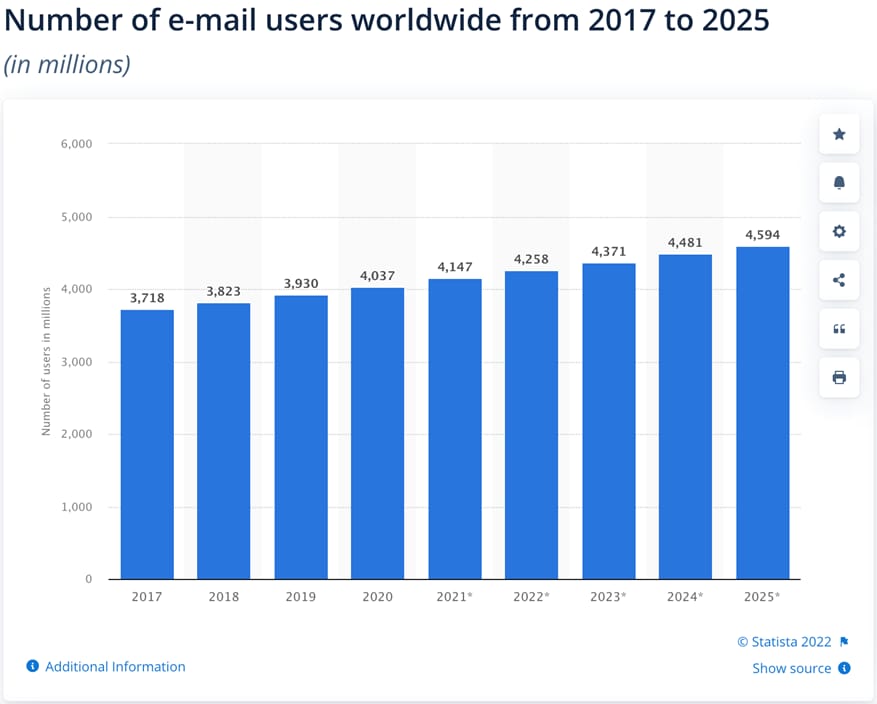
Despite the growth and prominence of mobile messengers and chat apps, email global users amounted to 4 billion and is set to grow to 4.6 billion users in 2025.
The global emails received and sent worldwide was approximately 306 billion in 2020. It is projected to increase to over 376 billion emails on 2025. This data shows that the trend towards mobile also is true for email.
As we know that the consumers interaction is multi-event and multichannel
These are some of the marketing strategies that you can invest with.
Inbound marketing
Content marketing
Email marketing
Search Engine Optimization(SEO)
Social Media
Paid Advertising
Mobile Marketing
One thing for sure is that email for marketing isn’t going anywhere. It will continue to be a staple part of any marketing strategy for all types of businesses.
The automotive industry is rapidly adapting to the demands of connected mobility. The rise of autonomous and electric vehicles will create new challenges for manufacturers, who must implement solutions that will help them meet changing consumer needs. These vehicles are expected to require more computing power than traditional cars, which leads us to ask: What does this mean for aftermarket solutions?
What does this mean for aftermarket solutions?
As both traditional and autonomous cars become more automated, and more intelligent, the use of geospatial technology is proliferating.Geospatial intelligence (GEOINT) is the use of data and technology to improve the way we make decisions. It’s a key component of connected mobility, which refers to how vehicles communicate with each other or with infrastructure.
In autonomous vehicles, geospatial intelligence can be used to collect real-time information about road conditions as well as traffic patterns—which can help a vehicle avoid hazards that could otherwise cause an accident or delay. This type of information can also be useful for collecting data on weather conditions, or even hazards like ice on the roads during winter months.
Connected cars are another place where geospatial intelligence is being applied: they collect both driver behavior data and location information via onboard sensors that provide insights into driver quality control and safety measures such as speeding or harsh braking incidents.
But what exactly does that mean for the future of cars?
Geospatial intelligence (GEOINT) is a broad term that refers to information gathered from satellite data and other sources in order to identify people, places, and objects.
Using GEOINT, we can determine the location of a person or object within a specific area. This allows us to collect data on the location of vehicles on roads at any given time—information which is then used by car manufacturers and other companies to improve their products and services. For example, knowing where cars are parked may help you find your way into an underground parking lot before you run out of battery power in your electric vehicle; it can also be used by municipalities when designing new roads so they can plan how many lanes will be needed for traffic flow.
And how does it work?
Driving intelligence solutions allow manufacturers and OEMs to identify and engage with their customers based on their driving behavior. The solution is designed to be used by the driver, who can also access it from an app on their phone or tablet. Using this technology, car manufacturers can:
Monitor vehicle location & speed
Identify where drivers spend most of their time in the vehicle
Collect data on when they start and stop using the car, how long they use it for and where they go during those times
What does this mean for traditional vehicles?
Geospatial intelligence is a software solution that integrates data from multiple sources to help personnel make better decisions. In the automotive industry, it has been applied to several areas, including navigation and fleet management.
In this article, we’ll explore how geospatial intelligence can improve driver safety and efficiency in traditional vehicles.
How does it all come together?
Here’s how it all comes together:
Data from connected vehicles – This is the raw data collected by autonomous vehicles and other vehicle systems. It offers an on-demand picture of traffic patterns, road conditions and driver behavior.
Data from the cloud – The cloud allows you to store and analyze large amounts of data in real time. In this way, you can quickly identify patterns that indicate a problem with one or more sensors or systems on your vehicle.
Data from the edge – Edge computing uses advanced analytics at the edge of a network (a local area) rather than in a centralized location such as a cloud server center or data hub. This approach enables faster decision making because only relevant information is sent over high-bandwidth networks instead of sending all available information for analysis in another location—a process that can take hours or even days depending on bandwidth capacity limitations
Harnessing the power of geospatial intelligence will help you create better experiences for every aspect of your customer journey.
Geospatial intelligence is a powerful tool that can help you create a more personalized and engaging experience for your customers.
Heliware’s HeliAI uses location data to give you insights into how people are moving around the world, what they are doing at any given time and whether there are opportunities to engage with them at specific locations. Automotive service providers or manufacturers can use this information to understand customer behavior and improve the experiences your products offer.
MOST SEARCHED QUESTIONS
How AI is impacting the automotive world?
Future of AI in automotive industry?
How is AI used in self-driving cars?
What are the problems faced in automobile industries?
MOST SEARCHED QUERIES
AI technology meaning
AI technology examples
Benefits of in automotive industry
Hello readers! Hope you liked what you read today. Click the like button at the bottom of this page and share insights with your colleagues and friends!
For more such amazing content like and follow Digilah
Intuition – The X factor critical to generating ideas collaboratively but not something one expects over a Teams workshop involving a dozen people across five time zones, multiple languages and ethnicities. Unlocking the power of collective intuition had been my forte in the hundreds of workshops I had conducted during the pre-COVID decade. I was a firm believer that the revolutionary efficiency of Zoom/ Teams could never deliver the magical inefficiency of unstructured intuition and ideation. Physical workshops were the Hogwarts of collective intuition, and “Remote Meetings” were the Death Eaters! I had completely stopped doing such workshops.
As COVID dragged on, Teams, Zoom and Google Meet tried to address the issue with rooms, Whiteboard and Jamboard. I experimented with these shiny new toys but quickly realized that remote meetings had become camera-off, mute-on time capsules when people multi-tasked; learning new ways to jam about ideas was an extra behaviour change no one wanted to do.
One year into COVID, I found inspiration from an unlikely source. My middle-school son was attending remote classes and he was sharing ideas with his classmates! His teachers had found a way to keep self-learning and collaborative intuition alive. There were no new shiny toys, just basic stuff- Google Search( text, images, Youtube), Google Slides, PowerPoint, the laptop’s camera, and the Chat inside Google Meet.
I had my Eureka moment- stick with the familiar, just tweak it to make it a little unfamiliar.
Define the challenge and expectations with the decision-maker, not the minions co-ordinating the workshop
Zero meeting time for information sharing; send everything as pre-reads a week in advance
Energy is the key to intuition so break up the workshops into several 2-hour sessions
Child-like output format: create a simple, visually evocative frame that can hold 7-15 words to headline the idea (e.g.billboard, front of pack, etc.)
Create trigger questions and populate the frame with idea starters to fire participants’ intuition
Encourage people to submit their ideas a few hours ahead of the session. Curate the ideas into themes
In the session, invite creators to explain their ideas. Allow them to use a few supporting slides by sharing their screens
Use the trigger questions and ideas to generate more ideas
Do not use the session to operationalise the ideas; stop at overall ‘explore/discard’
Let the core team work through the operational implications and send it out as pre-read for the plenary session with the decision-maker and stakeholders.
Close the exercise with a final 60min decision-making session
Cameras on! Ensure 100% attention throughout the session.
Can this make ” Remote Intuition” scalable, fun and effective? The answer is Yes!
Want to find out how? Let’s chat over a coffee, WhatsApp me at +6593891694
About 15 years ago, the early disciples of Direct-To-Consumer [DTC] brands, began spreading the word – DTC as a business model was about lower prices, higher margins, and one-to-one customer relationships. Fast forward to today, the DTC landscape is crowded with brands jostling for consumer mindspace. With customer acquisition costs rising and Apple’s iOS ATT update resulting in a reduced ability for facebook and email marketers to track, understand user behavior, target audiences and measure performance accurately – there hasn’t been a more important time than now to leverage and build a powerful marketing technology stack that puts customers at the front and center of a DTC brand’s strategy and mission in order to survive.
Successful DTC brands today focus on building a deep understanding of their customer, strengthen their offerings, educate, entertain, and remind their customers with a single goal to convert visitors to buyers and grow customer lifetime value.
Technology has been at the forefront of a DTC entrepreneurs arsenal influencing daily decisions from understanding a customer’s first order, to building a content strategy leveraging analytics and research, gaining a better understanding of on-site visitor behavior in the storefront, or targeting audiences that are most likely to convert.
Below are ten powerful ways DTC brands leverage technology to scale to 8 figures and beyond profitably.
Let’s dive in.
Building a content first strategy with powerful SEO for brand discoverability
Building a search engine optimized site that is discoverable with high quality content that educates your customers across the customer journey is a good starting point. Additionally, customer journey mapping, with creating a content strategy as a fundamental foundation to communicate with your customer personas and on-site conversion rate optimization yields a flywheel for continuous growth. As we know it a brand without content is faceless, it has no way to get repeat business, grow a customer base and compete against companies with similar products. A real brand has a strong email list of subscribers, authority in their niche and a community of raving fans who consume their content and buy their products again and again. The world’s best DTC brands leverage content to tell their stories to customers and address “why” they exist to serve the customer. Organic content costs less than paid for each marginal visitor – its upfront investment is offset by reduced customer acquisition cost (CAC), more loyalty and a much longer ROI window.
From product pages, blogs to social media the best DTC brands leverage content marketing to build engagement and trust with the brand. Below are ways in which successful DTC brands leverage different technology platforms and applications to provide a full funnel experience by embracing content as a primary pillar.
Top of Funnel Content: focuses on educating the audience, entertaining, engaging the customer and addressing a specific pain point or need they are looking to address. Creative assets for paid social such as images, sales videos, testimonials, UGC can be created via technology platforms such as Canva, Snappa, Adobe Spark, Visme, Vimeo and Wistia are great to build rich experiences on the website and creative assets such as carousels, videos, collection ad formats besides create Instagram stories, Instagram reels that particularly work well for DTC brands. UGC platforms Cohley and Pixlee help brands connect with customers and engage them with authentic conversations inviting them to discover the brand. Building on-site personalized quizzes can further improve time on site and grow engagement with your customer.
Middle of Funnel Content: focuses on helping educate, informing and building trust with the customer. The focus here is to solve for why your product or service would help fulfill the customer’s needs. Building social proof by integrating platforms like Trustpilot, Yotpo are great. Brands integrate chat via Paloma, ManyChat and MobileMonkey that help DTC brands engage, inform and retain visitors on the website – channels such as Instagram and facebook messenger accelerate customer experience and brand credibility.
Bottom Of Funnel Content: this is where the rubber hits the road. Ensuring your store has product optimized pages with a goal to ensure a frictionless path to conversion with one click upsells, a seamless add to cart experience, a secure check-out with a post-purchase cross sell opportunity to grow average order value (AOV), conversion rates (CR) and customer lifetime value (CLV) are big rocks that aid conversion optimisation. Landing Pages that are AMP optimized for quick mobile downloads and desktop optimized separately are important to ensure a rich customer experience and reduce bounce rates, load times and improve conversions. Ensuring message match between ads, content and product offer pages is key not only to ensure a high-quality score when running facebook and google ads but also is key to increase conversion rates and lower cart abandonment. By adopting technology software such Unbounce and InstaPage to launch custom landing pages in a drag and drop environment DTC brands are able to drastically improve customer experience, drive customer retention and prevent a leaky bucket. Apps such as Zipify and Candy Rack are two of the top-rated apps on the Shopify app store that allow you to easily create upsell and cross-sell offers.
Nik Sharma, CEO of Sharma Brands states, “If you invest in SEO today, you will reap its ROI over 12 years”. For some brands, relevant search volume will allow them to scale to tens of thousands – if not hundreds of thousands – of qualified shoppers per month through search engine optimization (SEO).
To do that requires a combination of three factors.
One, optimizing your collection and product pages for high-buying-intent keywords. Two, optimizing those same pages for technical considerations – correct H tags, alt image tags, and load speed. Three, producing additional content for non-buying-intent keywords. By leveraging SEMRUSH, BackLinko and Ahrefs a seamless search engine optimised storefront with organic traffic can be built, growing the stores brand authority while driving conversions.
2. Ensuring a healthy channel mix while building traffic
Once a DTC brand builds a great product that solves a specific need or pain-point of the customer, saves time, money or solves a problem – then the next ideal step is a laser focus on building traffic. Traffic = store visitors. As John Mac Donald, President & Founder of The Good, a conversion rate optimization firm states, “Visitors come to your store only for two reasons – to research your products and understand if it solves their problem or need and to purchase as quickly and effortlessly as possible. Your job as an ecommerce marketer is to get them what they came for with the least friction”.
As an young DTC brand, a focus on growing organic traffic, improving on-site conversion rate through conversion rate optimization and establishing a retention strategy via email and SMS marketing to grow your short-term LTV (60-day LTV) will deliver profitability in order to better prepare you to scale in the future.
Early DTC brands that have seen success aim to push revenue via organic traffic to 20%+ and email marketing to 25% to build for profitability.
Once brands hit 15M+ and are a maturing DTC brand, direct organic traffic should contribute to at least 40% of total traffic. As DTC brands build sizeable organic traffic and continue to grow with a goal to deeply understanding their customer personas, they grow higher quality traffic to drive to their storefront and scale business further by a focus on paid advertising via search and social. A focus on full funnel advertising optimized at an SKU and price point level to win profitable sales, building high converting creatives rooted in analytics focused on time tested principles that accelerate the customers journey should be the focus all with one primary goal – get visitors to make a purchase. Further brands build intelligent remarketing campaigns that separate customers, visitors, browsers, and cart abandoners. Search engine marketing (SEM) is leveraged to make sure that the store “owns their real estate”: the top results for branded searches. Google ads versus Facebook ads shouldn’t be pitted against each other; but instead work together to build an omnichannel presence across search, shopping, and social media. A healthy store has a 40-60 organic to paid traffic mix or an ideal 50-50 organic to paid traffic mix.
None of this is possible to track and measure without using the rich machine learning capabilities and algorithms of the big three – facebook, google and amazon ad platforms and pixels or even first party and third-party data technologies.
3. Optimizing for the conversion always! Growing revenue per visitor as a goal.
When DTC brands focus all efforts into cutting down wasteful expenditure testing ads with small budgets first, always testing 6-8 creatives and remarketing to existing customers while prospecting to new potential customers only – they see a lift in conversions and conversion rates besides improved return on ad spend (ROAS). When brands test both ads and funnels leveraging the AIDA model and rapidly iterate creative assets to optimize for the conversion, paid advertising finally pays off and allows brands to rapidly scale, grow new customers and drive repeat purchase rates and average order value.
By accelerating on-site conversion rate optimization actions, focusing on bespoke photography and video asset optimization, site speed and mobile optimized AMP pages for quick load times, brands are able to build profitable ecommerce funnels that reduce friction points to conversion such as your offer, return rates, bad reviews, poor product quality, creative, account optimization goals or an incongruent message or visual between your ad and landing page structure. Testing each element of the ecommerce funnel – ad imagery, headlines, copy, blog copy, video, testimonials, social reviews creates a frictionless path to conversion with a coherent message to the consumer. Further conversion rate optimisation does not end with the purchase – post-purchase retention strategies help further drive engagement, cross-sell and upsells that consistently grow brand loyalty, increase repeat purchase rates reducing average time between orders.
By personalizing the customer journey across touchpoints, focusing on product assortment optimization, directing paid dollars to acquire ideal customers and ensuring message match between the ad and landing page, DTC brands are able to greatly impact conversion rates and volume. Marketing software such as Adobe Spark Post, Canva, no limit creatives allow entrepreneurs and marketers to rapidly test creative performance and build stunning creative assets. Conversion Optimisation Software (CRO) software such as Omniconvert, Optimizely and VWO enables brands to conduct RFM segmentation, cohort analysis and launch customer surveys to better understand customer clusters with varied lifetime value, on-site behavior and intent. This helps every marketer to successfully focus on profitable growth.
With heatmaps, rapid A/B testing and software such as HotJar, Microsoft Clarity, brands are able to optimise on-site product page experiences. Further, auditing customer reviews on your store and on Amazon can play a part in strengthening the product offering and service capability.
DTC brands personalize cart recovery by installing LiveRecover. They recover about 20-25% of abandoned carts at minimum. All these actions are an essential part to conversion rate optimisation for the storefront online.
4. Accelerating LTV with retention programs via email marketing, SMS marketing, informative newsletters, community building programs for your brand
If you aren’t leveraging email and SMS marketing, you are leaving a pile of cash on the table. Nik Sharma, CEO of Sharma Brands says, “Good retention is about coming up with plays that keep your product in the top 15-20 things in a person’s head at any one time”. Simply put – email marketing and SMS marketing are those #1 and #2 retention channels!
No other channel matches the ROI of email marketing. For every $1 spent email generates $38. Well performing email marketing has the potential to drive 20%-30% revenue.
Email is the most important touch point between brand and community. It helps convince people to engage, consider, buy and express, take interest, engage and influence buyers. With customer acquisition costs likely to continue to spiral upwards, investing in email marketing to build a direct relationship with the customer and “own” the relationship is critical.
As Chase Dimond, Co-Founder of Boundless Labs says, “I think email’s important for a lot of reasons. First – with the iOS 14 update and cookies going away, it’s going to be even more important to control your audience and really have predictable revenue.
The goal is to get to a point where you can press send and you know that this campaign is going to drive you X number of clicks and X number of sales and the revenue per recipient is this.
And with Facebook and some of these other channels, those are obviously very effective for what I do. We are dependent on top-of-the-funnel traffic, but they’re going to become a lot less precise, a lot less predictable. So having a channel like email marketing where you own, and you control your destiny is going to be super important”.
Marketing automation platforms such as Klaviyo, Privy, Active Campaign and Sendlane allow marketers to not only establish a one-to-one relationship with the existing and potential customers but leverage deep learning to build segments and communicate with your customers to inform, educate and convert more visitors to customers.
By focusing on a healthy mix of both campaigns and flows. Ensuring your core flows welcome series, cart and browse abandonment and post purchase series are always activated. Building a cadence of list hygiene and cleaning to ensure healthy engagement rates – email marketing can become a highly profitable channel.
Merchandising emails with top-sellers and bundled offers to drive repeat purchases help grow a DTC brands average order value (AOV).
Post purchase emails are critical to keep customers engaged, thanking customers for purchases made and launching cross-sell and up-sell opportunities over time grow AOV. Educating your customers about how to use your products leveraging newsletters, build social proof and valuable feedback. Email Marketing helps shore up organic traffic through a continuous stream of existing customers visiting your site to explore new products, engage with your blog and feel part of a community.
With the iOS 15 ATT updates, we will see a potential impact on opens leading to our inability to accurately understand revenue, IP based activity, ability to serve dynamic content, list segmentation, build automated triggers and logic, launch list hygiene and offboard unengaged subscribers. Ensuring UTM tracking is accurate and consistent to enable last click reporting through Google Analytics would be key. Collecting historical data to adequately read without open data would help create a baseline to benchmark against. Updating segments to utilise recent creation, clicks, purchases and site sessions to build segments of engaged contacts. Auditing all automated flows for use of opens and identify any elements of the program reliant on Geo-IP. Implementing batched re-engagement series for pre-iOS 15 list hygiene would go a long way in making informed and intelligent decisions to boost the health of your email marketing program.
5. Building A Frontline of Defense with Customer Service:
Martech platforms such as Gorgias go a long way in not only reducing churn but also leveraging data to build customer service as not only brand advocates and grow one-on-one relationships with the customer. Customer service is a brand’s frontline of defence. Customers are the first to know when something is wrong, broken, or if anything can be done better. By identifying the needs, concerns, and issues of the customer faster than anyone else, brands can also fix or address problems before it gets any bigger and becomes damaging to the company.
It is important to keep the customer happy. If it is their first-time ordering from a brand and they have a less than stellar experience, they are most likely not going to order again. They will not give any of the company’s second products a try, such as the more expensive purchases or subscriptions. That is why customer service helps in not only preventing any bad experiences but building a trusted relationship. By offering simple solutions from a technical standpoint, such as dealing with refunds or providing a shipping label, the customer is excited that the brand provided them with a solution. Tools like Gorgias help drive stellar customer service enabling brands to leverage data to cross sell and up sell products, retain or win back customers and provide exceptional customer experience.
6. Scaling with Facebook Ads Profitably
Why facebook you may ask? With more than 2.9 BN monthly active users worldwide, facebook is the largest social network. Besides the continuing challenges with Apple’s iOS updates, it is estimated that ad spends would continue to rise by 32% on facebook in 2022 per eMarketer. While CPMs have risen by +47% on facebook in the US and +54% YOY for ecommerce brands – there simply put isn’t a single channel replacement for facebook that provides better or similar returns.
Facebook and Instagram are the highest performing, most efficient channels out there why? This is because of the humongous data they are sitting on. Facebook pixels are over 8 million websites on the internet. facebook knows about their users through their conversion tracking algorithm more than anyone else.
On the buy side of the facebook platform it is important to focus on five key areas to leverage the power of the platform profitably.
Feed the facebook algorithm with a variety of ad creatives, testing every part of the ad while leveraging a consolidated account structure, ensure message match and congruence between ad and landing page
Set clear prospecting goals only targeting new users to be able to retarget to existing users for scale and profitability
Build audience exclusions while setting up retargeting for visitors, cart abandoners, engagers, and varied customer segments
Calculate facebook budgets and CPA targets based on profitability goals
Eliminate single account ROAS goals while focusing on SKU based goals
Embrace Adobe Spark, Pixlr X, Snappa, Adobe Premier Rush to create outstanding Facebook ads that convert.
7. Always refining the almighty offer to grow AOV and short-term cash multiplier LTV 60 days
Focus on understanding different customer segments and their purchase trends, what they are willing to recommend and what they have returned. If you have excess inventory, BOGO is a great promotional offer to increase customer engagement and generate sales. Free shipping belongs on every customer list. Conversion rates are known to increase when you use free shipping. Free returns set customers minds free and gets them to purchase more. Threshold free shipping can incentivize shoppers to add more items to their cart increasing both AOV and LTV. At all times, merchants must cater for what people really care about – which is almost never a brand or founder story – but something relevant to their needs.
Limited edition and low in stock are great ways to drive urgency besides money back guarantees. Product bundling including starter kits and special edition seasonal items. A membership or subscription program is a powerful way to bring your customers into an exclusive club and generate some guaranteed revenue. If your membership is structured well, you can get your customers to spend more than they would otherwise. Store credits are a great way to get your customers to come back again and incentivise the next purchase.
Bolstering your business with a robust live chat experience, customer service platform such as Gorgias or building a customer review via UGC with Okendo would work wonders for your brand. This would help in driving more traffic by showing reviews in paid and organic marketing channels including Google Ads, Google Search and Google Shopping. The above tactics all go a long way to improve average order value (AOV) and LTV 60 days i.e., a cash multiplier for the brand.
8. Capturing demand through Search Engine Marketing with Google Shoppingand Google Ads
If brands want to be wherever their customers are, then this is one of the foundational steps. If someone finds a brand on Facebook or they see the brand on Amazon, one of the next things they’ll do is search for same brand on Google and so as DTC brands, we want to show up there for branded search.
Now you might be asking, if someone is searching for me by name, won’t my organic search do the trick? Because I’m going to probably rank for my own name number one. And the answer is, yes you most likely will rank at the top organically for your own brand name. There are very rare exceptions that you would not. However, there are likely going to be some ads above you.
Branded Search Ads help prevent competitors from poaching a brands customers. Search Ad spend is still growing at 20% per year. Google Shopping makes up 55-60% of all retail paid search clicks per Search Engine Journal. One of the reasons why Google Shopping is so popular is because the return on ad spend (ROAS) is just consistently strong.
Google Tag Manager (GTM) is the holy grail. Once you install the GTM container pixel on your site, you’ll be able to manage all your pixels from the GTM user interface. Launching Google Tag Manager on site, also makes sure you have a much less chance of accidentally breaking your site trying to add pixels. More importantly it will help you track the holy conversion and other key actions such as add to cart, order value, product or item bought, sales revenue and much more.
9. Launching private label brands on Amazon FBA and leveraging Amazon Advertising
Amazon is quickly becoming a destination for direct-to-consumer (DTC) brands looking to expand their reach and increase their sales. Since third-party sellers joined Amazon in 1999, they’ve grown to account for 58% of Amazon sales.
DTC brands that have an already established store can leverage 300 million active customers across 180+ countries via Amazon. It is one of the most efficient ways to reach new customers with 66% of new product searches beginning on Amazon.
Positive Customer Reviews can boost the brands perception and drive organic traffic to their store thereby improving conversions and sales. This means healthier profit margins.
With Facebook ads costs rising post Apple’s iOS ATT rollout by almost +45-55%, Amazon PPC ad costs could be cheaper depending upon the category. DTC Brands could leverage market intelligence platforms such as Jungle Scout and Helium10 to make real time decisions on their Amazon FBA strategy based on their inventory availability, new product launch strategy, gain competitor insights and feedback from customer reviews to continuously iterate the product and improve product features, packaging and after-sales service. Brands could even launch bundled offers to push excess inventory or plan to push sales during peak holiday seasons to maximize both sales volume and profitability
10. Measuring what Matters
Successful DTC ecommerce brands know their growth is tied to a fundamental set of metrics. Visitors, Conversion Rate, Operating Expenditure, Contribution Margin and Customer Lifetime Value are some of the key metrics that when tracked and measured, lead to informed decision making and a profitable DTC commerce business with more cash in the bank. Other key metrics such as Net Promoter Score, Customer Acquisition Cost, Purchase Frequency, Average Order Value, Time to First Response and CLV to CAC ratio are additionally important metrics to track.
A holistic view of these metrics cannot be attained in the absence of technology driven software such as Google Analytics, OmniConvert, Tydo, Ramp, Settle and more.
Successful DTC brands start with a mission to create world class products that best serve the customer to deliver exceptional customer experiences with customer lifetime value as their north star. Some of the world’s best DTC brands such as Glossier, Beardbrand, Lalo, Qalo, and many more power their DTC technology stack leveraging these world class software applications and platforms mentioned in the article above.
Smarte Digital is a boutique ecommerce growth marketing consultancy with a mission to scale DTC brands that are between 2MN-30MN+ profitably.


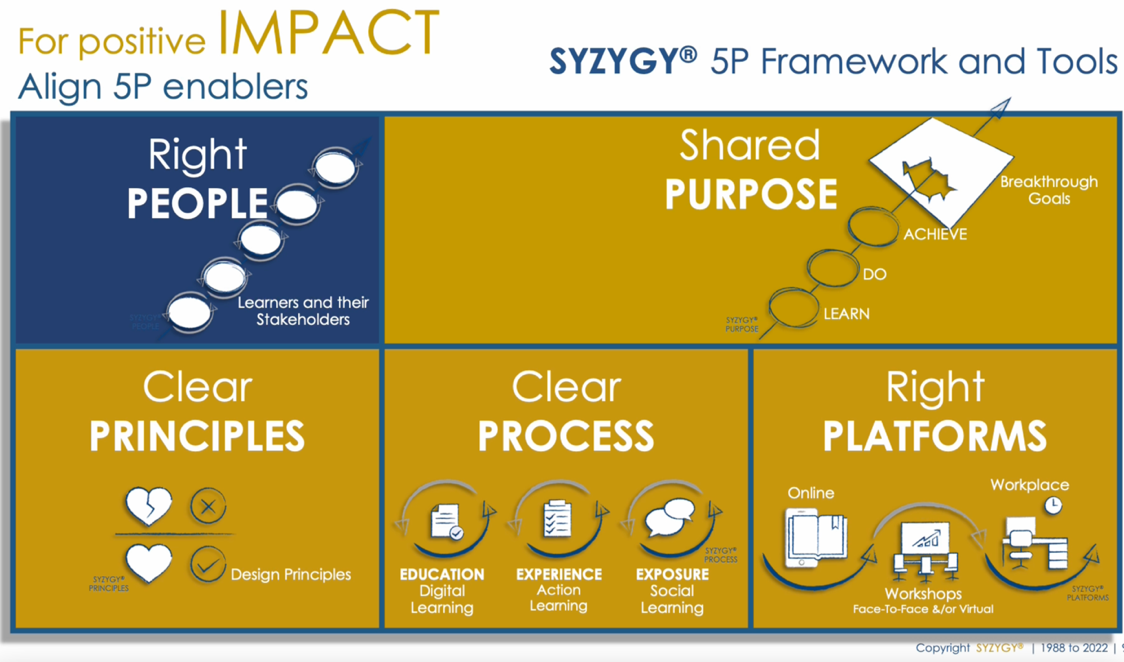


 Team Collaboration made easier:
 Some of the downsides include anxiety due to increased working hours. If you work from home it may feel like you are never out of the office. Flashing, pinging constantly draw Employees back to their jobs.




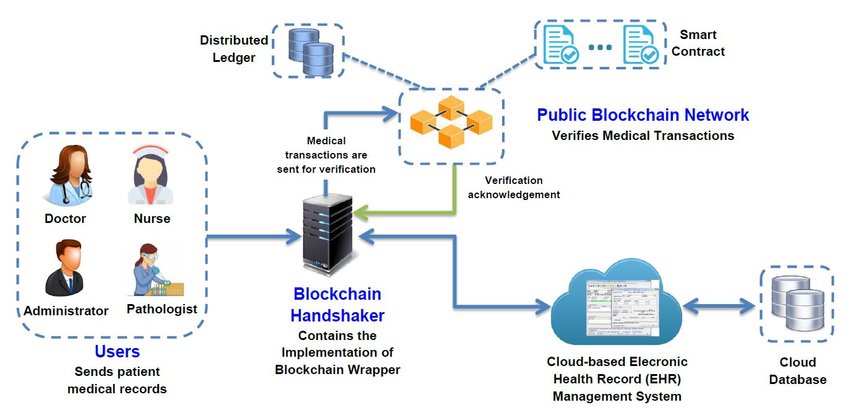



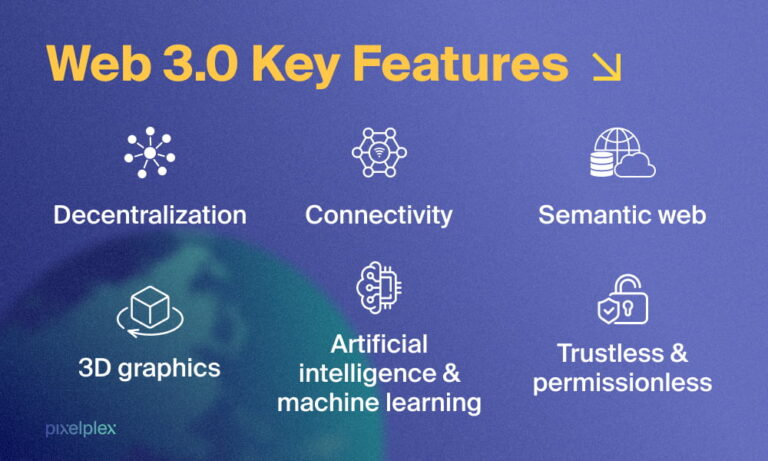
 Hello readers: Do you like what you read today? Click the
  “Like” button at the bottom of this page and share insights with your colleagues and friends and do follow